

Auto Accident Chiropractor in Fishers, IN: What to Know After a Crash
An auto accident chiropractor is a chiropractor who evaluates and treats musculoskeletal problems that often show up after a car accident, such as whiplash, neck pain, back pain, headaches, stiffness, and numbness. After a collision in Fishers, IN, chiropractic care may help reduce pain, improve movement, and support recovery, but a proper evaluation is important, especially if you have severe pain, weakness, confusion, chest pain, breathing trouble, or other emergency symptoms.
Car accidents do not have to be high speed to affect the body. Even a “minor” crash can create a sudden force through the neck, back, shoulders, and hips. Many people feel shaken up but think they are okay, only to notice pain, tightness, or headaches later that day or a few days after the accident. That delayed pattern is one reason prompt follow-up matters.
At Vital Connection Chiropractic in Fishers, IN, patients often come in after a crash because they are dealing with neck stiffness, low back pain, headaches, trouble turning their head, or soreness that is making work, driving, sleep, and daily routines harder than normal.
What an Auto Accident Chiropractor Helps With
An auto accident chiropractor focuses on how the crash affected the spine, joints, muscles, ligaments, and surrounding soft tissues. The goal is not just to chase symptoms. The goal is to evaluate how the body is moving, where irritation or restriction may be coming from, and what kind of care may help support healing.
After a car accident, chiropractic care may help with:
- Whiplash related neck pain and stiffness
- Mid back and low back discomfort
- Headaches that started after the crash
- Shoulder tension and reduced range of motion
- Numbness or tingling in the arms or legs
- Muscle spasms, soreness, and guarding
- Joint irritation that makes daily movement uncomfortable
If a crash left you dealing with low back pain, neck tightness, or trouble moving comfortably, it is worth getting checked instead of waiting to see if it “goes away on its own.”
Why You May Feel Fine at First
One of the most common mistakes after a car accident is assuming no immediate pain means no injury. In reality, the body’s stress response can temporarily mask symptoms. Adrenaline can make you feel more functional in the moment than you really are.
A few hours later, or even the next day, you may notice:
- Neck stiffness when turning your head
- Headaches starting at the base of the skull
- Soreness between the shoulders
- Back pain with sitting, standing, or bending
- Fatigue or poor sleep
- Tingling or unusual sensations in the arms or hands
Soft tissue injuries, joint irritation, and inflammation often become more obvious after the initial shock wears off. This is why early assessment can be helpful even if the crash seemed minor.
Common Symptoms After a Car Accident
Whiplash is one of the most well-known injuries after a collision, especially rear-end accidents, but it is not the only issue people experience. Depending on the direction of impact, body position, and force involved, symptoms can vary quite a bit.
Here is a simple overview of common post-accident symptoms and what they may suggest.
| Symptom | What It May Suggest | Next Step |
| Neck pain or stiffness | Whiplash, muscle strain, joint irritation | Get evaluated if symptoms persist or limit movement |
| Headaches after the crash | Neck tension, joint irritation, soft tissue injury | Seek prompt assessment, especially if headaches are new |
| Low back pain | Muscle strain, disc irritation, joint stress | Avoid heavy lifting and get checked |
| Numbness or tingling | Nerve irritation or compression | Prompt evaluation is important |
| Dizziness or balance issues | Neck injury, vestibular involvement, concussion concerns | Medical evaluation may be needed right away |
| Trouble sleeping | Pain, muscle tension, stress response | Address underlying pain and follow a recovery plan |
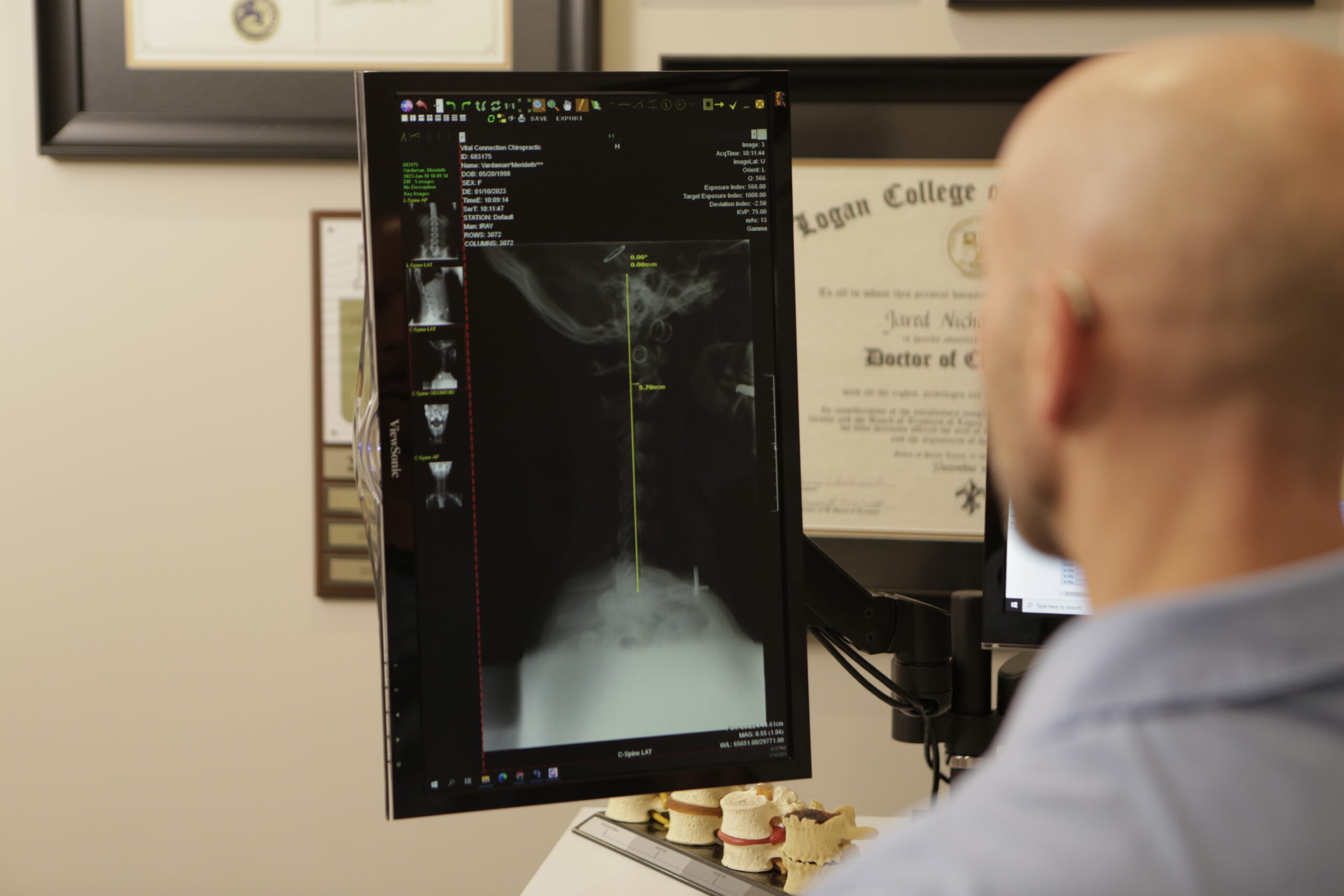 When to Go to the ER or Urgent Care First
Chiropractic care can be helpful after many car accident injuries, but it is not the first stop for every situation. Some symptoms need immediate medical attention.
Seek emergency care right away if you have:
- Loss of consciousness
- Confusion or memory changes
- Shortness of breath or chest pain
- Severe weakness
- Significant numbness that is getting worse
- Broken bone concerns
- Severe headache after head impact
- Trouble speaking, walking, or seeing
- Loss of bladder or bowel control
A proper medical evaluation is especially important when concussion, fracture, internal injury, or major neurologic issues are possible. Once serious concerns are ruled out, conservative care such as chiropractic care may become part of the recovery plan.
How Chiropractic Care May Help After a Car Accident
After a collision, the body often responds with inflammation, muscle guarding, restricted motion, and altered movement patterns. Chiropractic care may help support recovery by addressing those mechanical and soft tissue issues.
1. Restoring joint motion
A crash can leave spinal joints moving poorly or unevenly. Gentle, specific adjustments may help restore normal motion in irritated areas. This can sometimes reduce pain and improve how the neck and back feel during daily activities.
2. Reducing muscle tension
Muscles often tighten to protect an injured area. That protective response can be useful at first, but ongoing tension can create stiffness, headaches, and discomfort. Soft tissue work, mobility drills, and targeted recommendations may help calm that guarding pattern.
3. Improving range of motion
Many patients notice they cannot turn their head fully, twist comfortably, or sit as easily after an accident. Care plans may include adjustments, stretching, and movement strategies designed to improve function over time.
4. Supporting natural recovery
Pain medication may help temporarily, but it does not always address the movement restrictions and biomechanical stress that follow a crash. Conservative care can support the body’s healing process when used appropriately.
5. Creating a documented recovery plan
A clear exam, treatment plan, and follow-up schedule can help patients stay on track. It also helps them understand what to watch for as symptoms improve or change.
For patients dealing with whiplash-related discomfort, this can connect closely with problems discussed in stop neck pain in Fishers, IN, especially when neck stiffness and headaches start interfering with normal life.
What to Expect at Your First Visit
If you have never seen a chiropractor after a car accident, the first visit usually starts with a detailed conversation and exam. That includes the accident details, where you were sitting, how the impact occurred, what symptoms you noticed first, and how things have changed since then.
A visit may include:
- Review of accident history
- Discussion of current symptoms
- Orthopedic and movement testing
- Palpation of tender or restricted areas
- Posture and mobility assessment
- Referral for imaging when appropriate
The goal is to understand what structures may be involved and whether chiropractic care is appropriate. Treatment recommendations should be individualized. Not every patient needs the same frequency, the same techniques, or the same timeline.
 How Long Recovery Takes After a Car Accident
 How Long Recovery Takes After a Car Accident
Recovery after a car accident depends on the type of injury, the severity of the crash, your health history, how quickly care begins, and how your body responds over time. Some people improve relatively quickly. Others need a longer plan because soft tissue injuries and irritated joints can take time to settle down.
Here is a practical way to think about recovery factors.
| Recovery Factor | How It Can Affect Healing | Why It Matters |
| Severity of impact | Higher force can increase tissue irritation | More force often means more recovery time |
| Type of injury | Whiplash, strains, and nerve irritation heal differently | Treatment should match the problem |
| Time to evaluation | Delayed care may allow stiffness and inflammation to build | Early assessment can guide next steps |
| Previous history | Old neck or back problems may complicate recovery | Past issues can influence symptoms |
| Daily demands | Desk work, driving, lifting, and parenting can aggravate symptoms | Activity modification may help |
| Consistency with care | Missed visits and skipped home recommendations can slow progress | Steady follow-up often supports better outcomes |
Some patients need only a short phase of care. Others need several weeks or longer. A trustworthy approach is to reassess progress regularly and adjust the plan based on how the patient is actually doing.
Does Auto Insurance Cover Chiropractic Care?
 Does Auto Insurance Cover Chiropractic Care?
This is one of the most common questions after a crash, and the answer is that coverage often depends on the policy, the details of the accident, and how the claim is being handled. Some patients may have coverage through auto-related medical benefits, MedPay, a personal injury claim, or other available insurance pathways. Others may need to coordinate between auto and health insurance.
Because insurance rules and claim situations vary, it is best not to assume coverage until it has been verified. A clinic can often help review basic information, but patients should still understand their policy and ask questions early in the process.
The key point is that people should not delay a needed evaluation simply because they are unsure what coverage looks like. Getting clear documentation and a timely assessment can be important.
Can a Car Accident Cause Spinal Misalignment?
A car accident can place sudden force through the body and may contribute to joint dysfunction, restricted spinal motion, soft tissue injury, and changes in posture or mechanics. People often use the phrase “spinal misalignment” to describe that feeling that something is off after a crash.
In practical terms, what matters most is whether the accident led to:
- Pain with movement
- Restricted motion
- Muscle spasm or guarding
- Headaches linked to neck tension
- Nerve irritation
- Difficulty sitting, standing, or sleeping comfortably
A chiropractor evaluates those patterns through an exam. Care may help restore motion and reduce irritation, but treatment should always match the individual findings.
Why Local Follow Up Matters in Fishers, IN
After a collision, convenience matters more than most people expect. When your neck is stiff, your back is sore, and your schedule is already disrupted, having care close to home or work can make follow-up more realistic.
For patients in Fishers, IN, local care can be especially helpful if you are balancing appointments with commuting, school drop-offs, work demands, or family responsibilities. It is easier to stay consistent with a plan when the clinic is part of your normal routine.
That local connection also matters because recovery is not only about pain. It is about getting back to everyday activities such as driving around Fishers, working at a desk, exercising, sleeping better, and feeling more confident moving again.
 When to Schedule an Evaluation
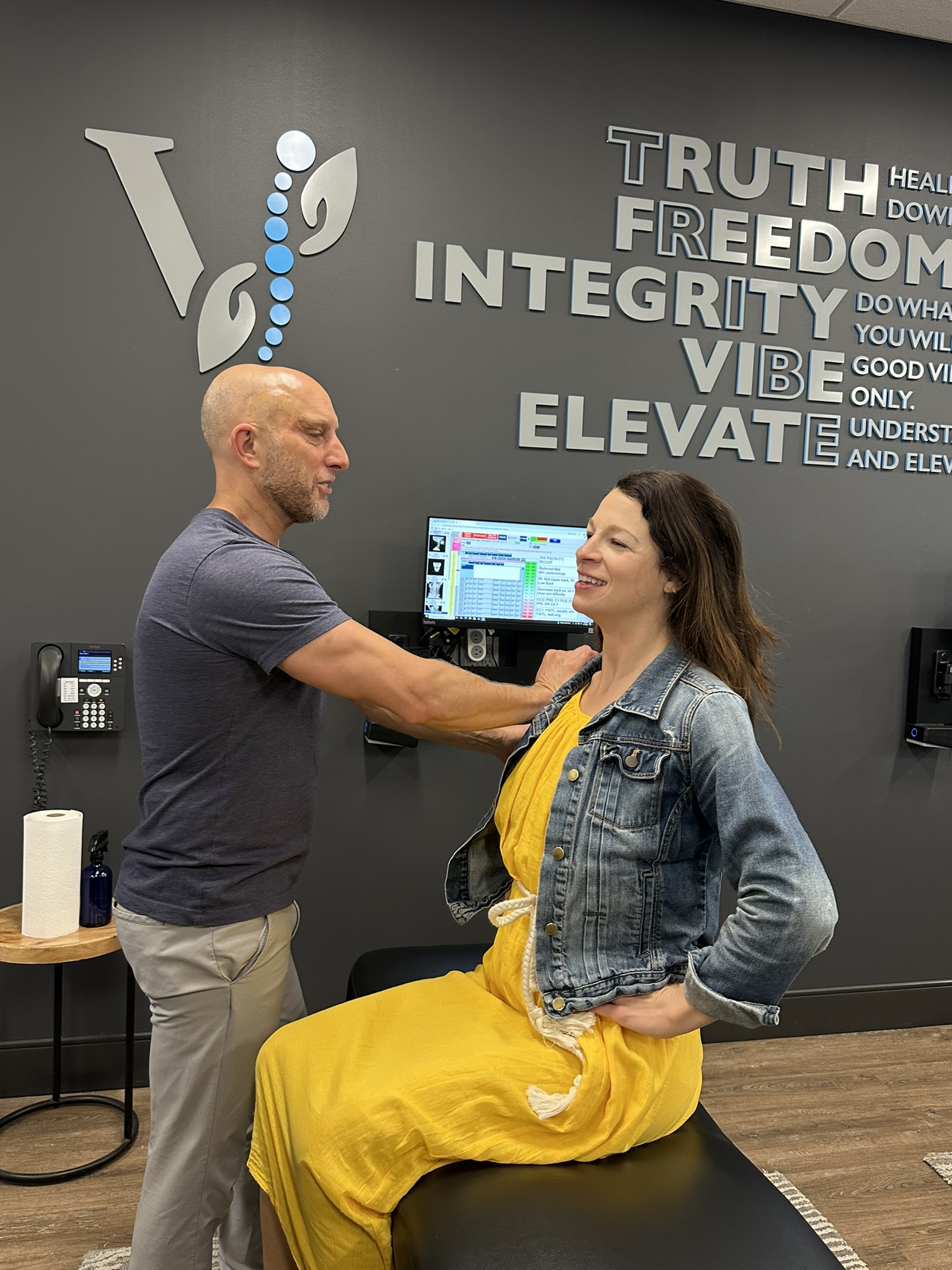 When to Schedule an Evaluation
If you were recently in a crash and you are noticing pain, stiffness, headaches, tingling, or reduced mobility, it is smart to get evaluated sooner rather than later. Even if symptoms seem manageable now, it is better to understand what is going on than to wait for the problem to become harder to address.
Vital Connection Chiropractic provides patient-focused care for people in Fishers and nearby communities who want a clear, conservative next step after an accident. If you are ready to start, you can schedule appointment online. If you have questions about whether an evaluation makes sense for your situation, you can also contact us.
FAQs
Is it good to see a chiropractor after a car accident?
It can be a good idea to see a chiropractor after a car accident when the main issues are musculoskeletal, such as neck pain, back pain, stiffness, headaches, or reduced motion. A chiropractor may help evaluate whiplash-type problems, joint irritation, and soft tissue strain. That said, chiropractic care is not a replacement for emergency medical care.
How long is a chiropractor after a car accident?
Most people asking this mean, “How long should you see a chiropractor after a car accident?” The answer depends on the severity of the injury, how soon care began, your health history, your daily activity demands, and how your body responds to treatment. Some patients improve within a short phase of care, while others need a longer plan over several weeks or more.
Does auto insurance cover chiropractic?
Auto insurance may cover chiropractic care in some situations, but coverage depends on the policy and the details of the claim. Some patients may have access to auto-related medical benefits, MedPay, or other insurance pathways. In other cases, payment may involve health insurance or a personal injury claim. Because insurance terms vary, it is important to verify benefits rather than assume.
Can a car accident cause spinal misalignment?
A car accident can create sudden force through the spine and surrounding tissues, which may contribute to restricted joint motion, muscle spasm, soft tissue injury, and irritation that affects posture and movement. Many people describe this as spinal misalignment because they feel “off” after the crash. What matters clinically is whether the accident changed how your body moves and whether that change is causing pain, stiffness, headaches, or nerve symptoms.
What is the most common spinal injury in a car accident?
Whiplash is one of the most common injuries after a car accident, especially in rear-end collisions. It usually affects the neck’s soft tissues, joints, and supporting muscles rather than being a dramatic structural injury that is obvious right away. Many patients first notice stiffness, pain when turning the head, headaches, and upper back tension. More broadly, soft tissue strains and sprains around the neck and back are very common after crashes. Because symptoms can be delayed, a proper evaluation is important.


