

Can a Chiropractor for Scoliosis Help? Realistic Results, Limits, and Next Steps
A chiropractor for scoliosis in Fishers, IN can be helpful for pain, stiffness, and posture-related strain, but it usually will not “straighten” a structural spinal curve. Realistic goals are better movement, less muscle guarding, and a clear plan that includes monitoring, exercise-based care, and referrals when bracing or orthopedic input is the smarter move.
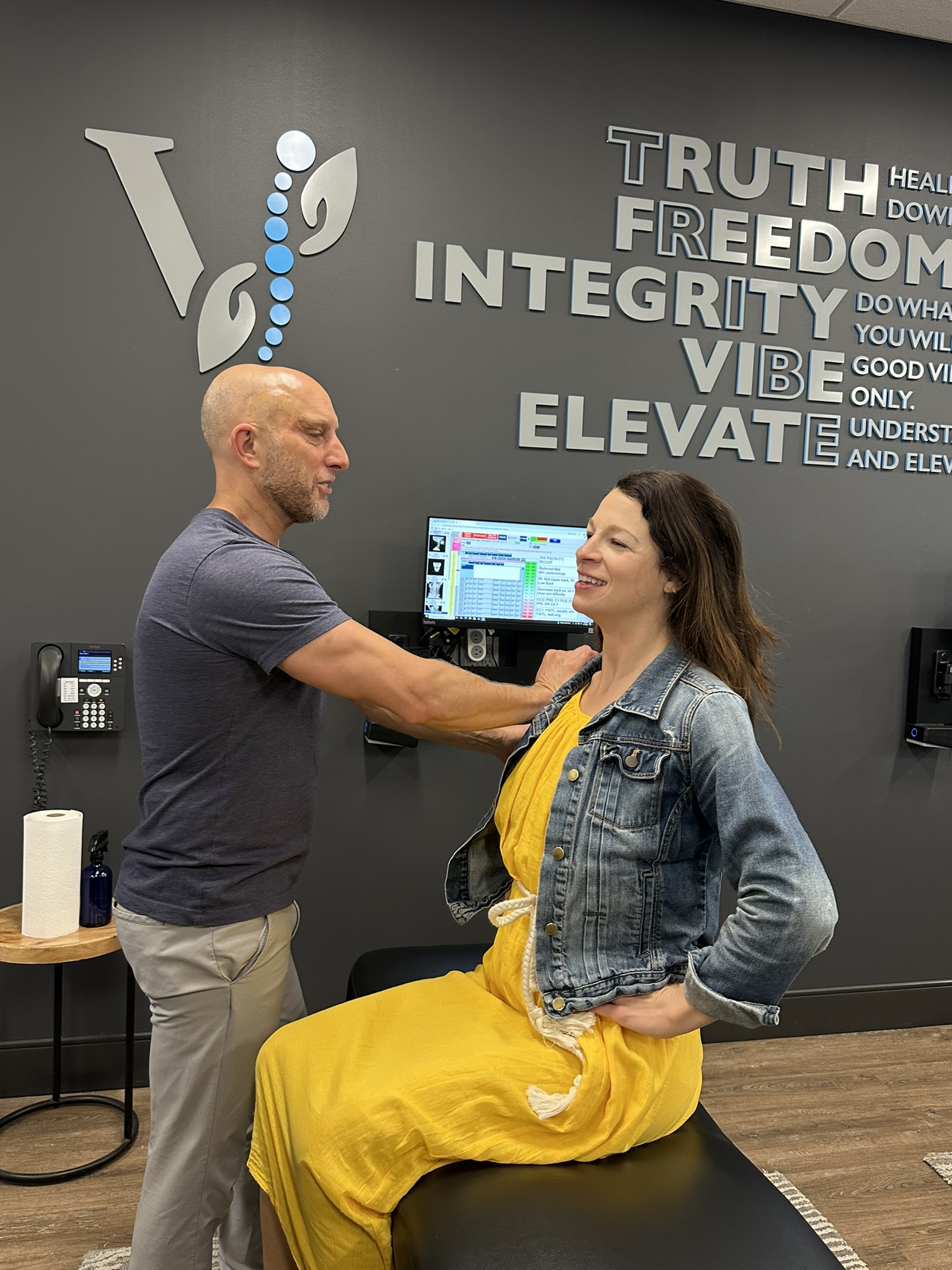 (Quick, Realistic Takeaways)
If you are considering chiropractic for scoliosis, here is the most useful way to think about it:
✅ Best-case goal: improve comfort, mobility, and daily function (especially when pain is coming from joints, muscles, and movement patterns).
✅ Not the main goal: reliably reducing the Cobb angle of a structural curve (research is mixed, and overall effects on deformity are limited).
✅ Most important “win”: knowing whether you need observation, bracing, rehab-based care, or orthopedic evaluation based on curve size, growth stage, symptoms, and progression risk.
Info note: This page is educational and does not replace medical advice. If you have new weakness, numbness, balance issues, or bowel/bladder changes, treat that as urgent and get medical care.
First, What “Counts” as Scoliosis (and Why the Details Matter)
Scoliosis is a sideways curve of the spine that is typically confirmed on X-ray and described using the Cobb angle. People often notice it first as posture changes: uneven shoulders, one hip higher, or a rib hump when bending forward.
What matters most is not just “Do I have scoliosis?” but:
1) Are you still growing?
This is the big divider for scoliosis in teens. During growth spurts, curves can change faster, so monitoring frequency and early decision-making matter more than trying random stretches or one-off treatments.
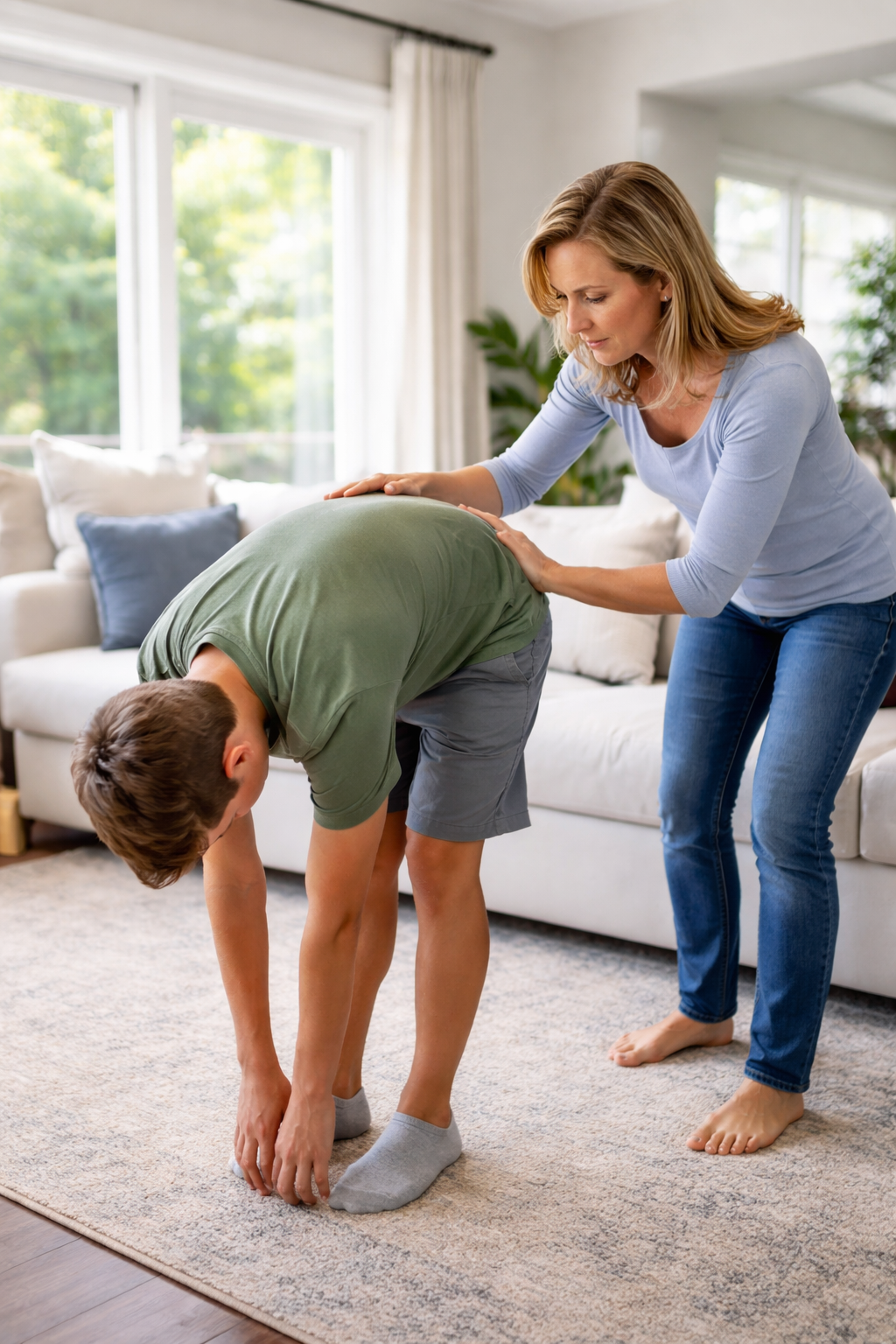
If you are a parent and you are seeing posture shifts, start with a simple screen and then get a real evaluation. A helpful first read is this internal guide on the signs of scoliosis so you know what deserves a closer look.
 2) How big is the curve, and is it progressing?
 2) How big is the curve, and is it progressing?
A common evidence-based framework is:
-
Observation is often used when curves are smaller and risk is lower.
-
Bracing is commonly recommended in still-growing patients once curves reach a moderate range (often cited around 25° to the mid-40s) to reduce progression risk.
This is where a realistic plan beats wishful thinking: you want to know if your top priority is preventing progression (common in teens) or reducing pain and improving function (common in adults).
What Chiropractic Care Can Help (and What It Usually Cannot)
Let’s be direct: chiropractic care may help how you feel and how you move, but it is not typically positioned as a stand-alone “curve correction” solution for structural scoliosis.
What it can help (realistic benefits)
Many people with scoliosis deal with problems that are not the curve itself, but the compensation patterns around it, such as:
-
muscle tightness on one side and weakness on the other
-
irritated joints where the spine and ribs move differently
-
hip and thoracic stiffness that makes walking, lifting, or sitting feel “off”
-
flare-ups after long desk days, driving, or workouts
A chiropractor may help by improving joint motion, reducing local irritation, and pairing hands-on care with a movement plan you can actually follow. That is especially relevant when your symptoms behave like a mechanical pattern: “this position triggers it, this movement calms it.”
What it usually cannot promise
Research reviews have found that spinal manipulation does not consistently reduce spinal deformity in idiopathic scoliosis, even if some individuals report pain improvements.
So if your main goal is “make the curve go away,” it helps to reset expectations:
-
In a still-growing teen with a moderate curve, bracing and scoliosis-specific rehab are often the tools most associated with slowing progression.
-
In an adult, especially with degenerative changes, the most realistic wins are usually pain control, strength, balance, and daily function.
Scoliosis in Teens: What a Smart Plan Looks Like During Growth
The hardest part about scoliosis in teens is that it can feel “fine” until it is not. Many adolescents do not have much pain early on, which is why monitoring and screening matter.
The realistic priorities for teens
-
Confirm the type and severity (usually through clinical exam and imaging when appropriate).
-
Track progression risk (growth stage + curve size).
-
Build a plan that supports the goal: prevent progression, keep the teen active, and avoid fear-based restrictions.
Here is a practical way to think about scoliosis treatment options for teens:
Table 1: Common teen scoliosis paths (what’s realistic)
| Situation (simplified) | Primary goal | Often-used next step | Why this option fits |
|---|---|---|---|
| Mild curve + low risk | Watch for change | Observation + re-checks | Many mild curves do not rapidly progress; monitoring keeps you proactive. |
| Moderate curve + still growing | Reduce progression risk | Bracing + exercise-based care | Bracing is commonly recommended in growing kids in a moderate range to help prevent worsening. |
| Rapid change, significant curve, or red flags | Protect long-term health | Orthopedic referral | Bigger curves or fast progression may need specialist-led decisions. |
Where chiropractic may fit for teens
If a teen is stiff, uncomfortable, or struggling with movement asymmetry, chiropractic care may be used as supportive care alongside a broader plan. The “best fit” is usually when care includes:
-
a clear exam and explanation
-
a home routine the teen will actually do
-
coordination with a pediatrician or orthopedic provider when monitoring or bracing is indicated
If the teen is in Fishers, Noblesville, Geist Indianapolis, Castleton, Carmel, or McCordsville, the most important thing is getting a plan that matches the growth window. That window is where the stakes are highest.
Adult Scoliosis and Degenerative Scoliosis: What Changes the Game
Adult scoliosis often shows up differently: stiffness, fatigue with standing, one-sided low back pain, or pain that ramps up with walking and settles with sitting, or the reverse.
Degenerative scoliosis is typically related to age-related changes in discs and joints. Many adults do well with non-surgical approaches first, depending on symptoms and impact on daily life.
What not to do with adult scoliosis (the practical version)
Most flare-ups come from repeating the same “loading error,” not from doing one single thing wrong. Still, these are common mistakes that keep symptoms sticky:
-
Pushing through pain with aggressive twisting or end-range stretching when you are already irritated
-
Treating every flare-up with rest only (and never rebuilding tolerance)
-
Random YouTube routines that do not match your pattern
-
Heavy lifting with poor bracing mechanics and no gradual build-up (especially when fatigue is already high)
A better rule: calm the flare-up, then rebuild capacity.
Where chiropractic may fit for adults
For adults, a chiropractor may help most when your care plan targets:
-
segmental stiffness and joint irritation
-
soft tissue tone and one-sided overwork
-
hip and thoracic mobility (often overlooked)
-
a strength plan that supports real-life tasks: carrying groceries, picking up kids, desk work, and training
This is often paired with referral-minded decision-making: if symptoms suggest nerve compression, significant progression, or you are not improving, you want the right next step, not more guessing.
 Scoliosis Self-Care That Actually Supports Progress (Without Overdoing Lists)
 Scoliosis Self-Care That Actually Supports Progress (Without Overdoing Lists)
Scoliosis self-care works best when it is simple, repeatable, and tied to the trigger that keeps flaring you up.
Here are four “high-return” categories that apply to many people:
1) A short daily mobility reset
Think: rib cage, thoracic spine, and hips. When these areas move better, your lower back usually stops doing all the work.
2) Strength that builds symmetry (not perfection)
The goal is not “perfect posture.” It is strength endurance so you do not collapse into the same pattern after 20 minutes of sitting or standing.
3) Smarter work and driving setups
Small changes like screen height, chair depth, and foot support can reduce the daily reload that keeps muscles guarding.
4) Progress tracking that is not obsessive
If you are monitoring posture changes or a teen’s growth-phase shifts, monthly photos (same lighting, same stance) can be more useful than daily checking.
If you want a structured starting point for posture and unevenness concerns, revisit the signs of scoliosis guide, then decide whether you need an in-person assessment.
How Long Does Scoliosis Treatment Take (and What a Real Care Plan Looks Like)
One reason people get frustrated is they expect scoliosis treatment to behave like a simple sprain: do a thing for two weeks, and it is done. Scoliosis care is usually more like strength training: early wins, then steady progress, then maintenance.
A realistic plan often has phases:
Phase 1: Calm pain and restore motion (short-term)
This is where many people notice early relief: less tightness, better walking tolerance, and less “stuck” feeling.
Phase 2: Build stability and capacity (mid-term)
This is the part that prevents the same flare-up from returning every month.
Phase 3: Maintain (long-term)
Especially for adult and degenerative cases, maintenance is about keeping function high and setbacks low.
Table 2: Typical expectations (not a promise, just a practical map)
| Time window | What you’re measuring | What “progress” often looks like |
|---|---|---|
| 1–3 weeks | Irritation + movement | Better sleep, less guarding, easier walking or sitting tolerance |
| 4–8 weeks | Strength + control | Fewer flare-ups, improved symmetry in daily tasks, better confidence lifting and bending |
| 8–12+ weeks | Capacity + consistency | You can do more with less payback; you have a routine that maintains results |
If you are choosing between options, use this decision lens:
Which option is “best” for you?
-
If your top goal is preventing progression during growth, bracing and specialist-led monitoring are often central for moderate curves in teens.
-
If your top goal is pain and function, a combined plan (manual care + rehab + self-care) is often the most practical, with escalation to medical options when needed.
Next Steps in Fishers (Hub + Location + Schedule) ✅
If you are in Fishers, Noblesville, Geist Indianapolis, Castleton, Carmel, or McCordsville, and you want a realistic plan instead of generic advice, start here:
✅ Hub: chiropractic care in Fishers, IN
✅ Location + hours: Contact the Fishers clinic
✅ Ready now: Schedule an appointment
Helpful nearby pages (if you are coming from surrounding areas): Chiropractor Near Noblesville, IN, Chiropractor Carmel, IN, Chiropractor Near Castleton, IN, Chiropractor Near McCordsville, IN
 Practical Wrap-Up: What’s Realistic to Expect
 Practical Wrap-Up: What’s Realistic to Expect
A chiropractor for scoliosis can be a solid part of a bigger plan when your goal is better comfort, movement, and confidence in daily life. The smartest approach is the one that matches your stage (teen vs adult), your curve risk (stable vs progressing), and your real-life priorities (sports, work, parenting, sleep), with referrals for bracing or orthopedic care when that is the best tool for the job.
Frequently Asked Questions
Below are straightforward answers to the most common questions people ask when deciding on scoliosis treatment and supportive care.
Should people with scoliosis go to a chiropractor?
Yes, many people can, if the goal is realistic. Chiropractic care may help reduce stiffness, improve joint motion, and calm muscle guarding that builds up around an uneven spine. It tends to be most helpful when it is combined with movement work and clear at-home steps. If you are a teen still growing or you suspect progression, you also want monitoring and, when indicated, specialist input so you do not miss the window where bracing decisions matter.
When is it too late to fix scoliosis?
It is rarely “too late” to improve function, but it may be too late to fully correct a structural curve. In adults, scoliosis treatment often shifts toward pain control, strength, balance, and daily performance rather than curve correction. In teens, earlier detection matters more because growth creates higher progression risk. The best next step is defining your goal: preventing progression, improving comfort, or deciding whether specialist care is needed for larger or changing curves.
What not to do with adult scoliosis?
Do not repeatedly flare yourself up with aggressive twisting, heavy lifting without progression, or random routines that ignore your pattern. Many adults get stuck in a loop: feel tight, stretch hard, irritate tissues, rest, then repeat. A better plan is calm first (reduce the trigger), then rebuild capacity with controlled strength and walking tolerance. If you have nerve symptoms like worsening numbness, weakness, or balance changes, do not self-treat. Get evaluated.
What is the treatment for degenerative scoliosis?
Degenerative scoliosis treatment is usually step-by-step and often starts non-surgically. Many plans include guided physical therapy, activity modification, and pain strategies (sometimes medications or injections through medical providers), with surgery reserved for cases where symptoms are severe, progressive, or function is significantly limited. The key is matching treatment to what is driving symptoms: joint arthritis, disc changes, nerve compression, or a combination. A clear evaluation helps you avoid wasting months on the wrong approach.
What is the best treatment for mild scoliosis?
Mild scoliosis is often managed with observation plus targeted exercise. If the curve is small and stable, many people focus on posture habits, strength endurance, and periodic check-ins to confirm it is not progressing. In teens, monitoring matters more during growth spurts. In adults, mild curves may still cause muscle imbalance and stiffness, so a conservative plan that includes mobility, strength, and symptom-guided care is often the most practical path.
How long does scoliosis treatment take?
Most people notice changes in symptoms faster than changes in structure. Pain and stiffness can improve within weeks when care matches your triggers and you follow a simple routine. Building lasting strength, better balance, and fewer flare-ups usually takes 8–12+ weeks of consistency. For teens who need monitoring or bracing decisions, the timeline depends on growth and progression risk, and follow-ups may continue for months or years. The right metric is not “How fast can I fix it?” but “How steadily can I improve function and reduce setbacks?”


