Chiropractor While Pregnant in Fishers, IN: What Expecting Moms Should Know
Seeing a chiropractor while pregnant may help support comfort, posture, pelvic balance, and mobility as your body changes through pregnancy. At Vital Connection Chiropractic in Fishers, IN, pregnancy chiropractic care is focused on gentle, individualized support, not forcing the body or replacing medical prenatal care. The right approach depends on your stage of pregnancy, symptoms, health history, and guidance from your OB-GYN or midwife.
Why Pregnant Women Consider Chiropractic Care
Pregnancy changes the way your body moves, carries weight, and responds to daily stress. As the baby grows, your center of gravity shifts forward. Your low back, hips, pelvis, and mid back often work harder to support balance.
Many expecting moms begin searching for a pregnancy chiropractor near me because they notice discomfort with walking, sleeping, sitting, working, or caring for older children. Others want help staying mobile through each trimester.
Chiropractic care during pregnancy may support:
- Low back comfort
- Pelvic and hip mobility
- Posture changes
- Muscle tension relief
- More comfortable movement
- Better body awareness during pregnancy
- Support for daily activities as your body changes
The goal is not to “fix” pregnancy. Pregnancy is a natural process. The goal is to support the mother’s body as it adapts.
For moms in Fishers, Noblesville, Carmel, Geist, McCordsville, Castleton, and nearby Hamilton County communities, local care can also make it easier to stay consistent without adding a long commute.
 How Pregnancy Can Affect the Spine, Pelvis, and Hips
Pregnancy can affect the body in several connected ways. The most common changes include weight distribution, postural shifts, ligament changes, and increased pressure through the pelvis.
As the abdomen grows, many women naturally arch the low back more. This can increase stress on the lumbar spine and sacroiliac joints. The hips may feel tighter. The ribs may feel compressed. Sleep may become harder because side sleeping can place pressure on the hips and shoulders.
The American College of Obstetricians and Gynecologists notes that back exercises may help strengthen and stretch muscles that support the back and legs, and may also support good posture during pregnancy. Back Pain During Pregnancy
Why Pelvic Balance Matters During Pregnancy
The pelvis is central during pregnancy because it supports the uterus, connects the spine to the legs, and helps with everyday movements like walking, sitting, and standing.
When the pelvis feels restricted or uneven, some pregnant women may notice:
- Low back soreness
- Hip tightness
- Pubic area discomfort
- Difficulty turning in bed
- Pain when walking or climbing stairs
- Discomfort after sitting too long
Chiropractic while pregnant often focuses on gentle evaluation of how the spine, pelvis, hips, and surrounding muscles are moving together.
Chiropractor While Pregnant in Fishers, IN: What Care May Include
A chiropractor while pregnant may use gentle, pregnancy-aware techniques to help support spinal and pelvic function. At Vital Connection Chiropractic, care should always begin with a conversation about your symptoms, pregnancy stage, medical history, comfort level, and any instructions from your prenatal provider.
Pregnancy chiropractic care may include:
- Gentle spinal or pelvic adjustments
- Light soft tissue work
- Posture and movement coaching
- Pillow and sleeping position guidance
- Stretching recommendations
- Daily habit adjustments
- Education on safer bending, lifting, and sitting
If you are already a patient or want to start care during pregnancy, the Pregnancy page is a helpful place to review how Vital Connection Chiropractic approaches pregnancy-related discomfort.
What This Care Is Not
Pregnancy chiropractic care is not a replacement for prenatal medical care. It does not diagnose pregnancy complications, replace your OB-GYN or midwife, or guarantee a specific birth outcome.
A proper evaluation matters because back pain, pelvic pain, cramping, numbness, bleeding, severe headaches, or sudden swelling may require medical attention.
Is Chiropractic While Pregnant Safe?
For many pregnant women, chiropractic care can be considered when it is gentle, properly adapted, and coordinated with prenatal care when needed. Safety depends on your health history, pregnancy status, symptoms, and the technique used.
A pregnancy chiropractor should avoid aggressive positioning, unnecessary pressure on the abdomen, and any technique that makes the patient feel unsafe or uncomfortable.
Pregnancy Chiropractic Safety Considerations
| Concern | What It May Mean | Best Next Step |
|---|---|---|
| Mild low back or hip discomfort | Common with postural and pelvic changes | Schedule an evaluation and discuss pregnancy-safe care options |
| Pain with numbness, weakness, or radiating symptoms | Possible nerve involvement or another condition | Get evaluated promptly and involve your medical provider if symptoms are severe |
| Abdominal cramping, bleeding, dizziness, or severe swelling | May signal a medical concern | Contact your OB-GYN, midwife, or urgent medical care first |
| Discomfort lying in certain positions | Positioning needs to be modified | Use pregnancy pillows, side-lying support, or a pregnancy-friendly table setup |
| High-risk pregnancy or medical restrictions | Care may need clearance or modification | Speak with your prenatal provider before starting or continuing care |
A careful pregnancy chiropractic visit should feel supportive and respectful. You should be able to ask questions, pause care, change positions, or stop any part of the visit at any time.
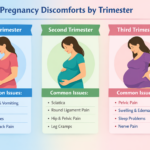
 Common Pregnancy Discomforts That May Be Evaluated
 Common Pregnancy Discomforts That May Be Evaluated
Pregnancy discomfort can come from many causes. Some are related to muscles and joints. Others may come from medical concerns that need a prenatal provider’s attention.
A chiropractor may evaluate how your body moves and whether gentle care could support your comfort. Common reasons expecting moms ask about pregnancy chiropractic care include:
Low Back Pain
Low back pain is one of the most common pregnancy complaints. It may come from added front-body weight, posture changes, muscle fatigue, or pelvic strain.
Hip and Pelvic Discomfort
The hips and pelvis often work harder during pregnancy. Some women feel discomfort when rolling over in bed, walking longer distances, or standing after sitting.
Sciatic-Like Symptoms
Some pregnant women feel pain that travels into the buttock, thigh, or leg. This should be evaluated carefully because causes can vary.
Mid Back and Rib Tension
As posture changes and the rib cage adapts, the middle back may feel tight or tired. This can be more noticeable during desk work, driving, or caring for older children.
Neck and Shoulder Tension
Pregnancy can affect sleep, breathing patterns, posture, and stress levels. These changes may contribute to neck and shoulder tightness.
MedlinePlus recommends practical pregnancy backache support such as walking, stretching regularly, sleeping on your side with a pillow between your legs, using a chair with good back support, avoiding standing too long, and bending at the knees instead of the waist. Aches and Pains During Pregnancy
What to Expect at a Pregnancy Chiropractic Visit
A pregnancy chiropractic visit should be calm, clear, and adapted to your body. If you are nervous, that is normal. A good visit should include explanation before action.
1. Health History and Pregnancy Details
Your chiropractor may ask about your due date, trimester, symptoms, prenatal care, past injuries, prior pregnancies, and any restrictions from your medical provider.
You may also be asked about pain patterns, sleep positions, work habits, exercise, and what makes symptoms better or worse.
2. Gentle Movement Evaluation
The chiropractor may check posture, spinal movement, pelvic motion, hip mobility, and muscle tension. This is not about pushing through pain. It is about understanding how your body is adapting.
3. Pregnancy-Friendly Positioning
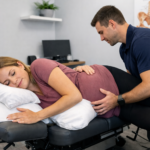
You should not be forced into a position that compresses your belly or makes you uncomfortable. Depending on your stage of pregnancy, care may be performed while side-lying, seated, standing, or supported with pregnancy pillows.
4. Individualized Care Plan
Your care plan may include gentle adjustments, soft tissue work, stretches, posture tips, and visit frequency recommendations. The plan should be based on your needs, not a one-size-fits-all schedule.
If you are ready to discuss care, you can use Schedule Appointment to request a visit.
Safe Home Support Between Visits
 Safe Home Support Between Visits
Chiropractic care may be more helpful when paired with good daily habits. Small changes can reduce repeated stress on the low back, hips, and pelvis.
Helpful Home Support Options
| Home Step | Best For | What to Know |
|---|---|---|
| Side sleeping with a pillow between the knees | Hip and low back support | Helps reduce twisting through the pelvis while resting |
| Short walks | Gentle movement and circulation | Keep the pace comfortable and follow prenatal provider guidance |
| Chair support | Desk work or long sitting | Use low back support and take regular movement breaks |
| Bending at the knees | Lifting laundry, groceries, or toddler items | Avoid repeated bending from the waist |
| Heat or cold as advised | Sore muscles and tension | Ask your provider what is appropriate for your stage of pregnancy |
Mayo Clinic notes that regular physical activity may keep the back strong and may relieve back pain during pregnancy, but pregnant patients should ask a healthcare professional about appropriate stretches and exercise.
Simple Movement Habits
Try these gentle habits only if they feel comfortable and your prenatal provider has not restricted movement:
- Take short walking breaks during the day
- Use a pillow between your knees while sleeping
- Avoid standing with weight shifted onto one hip
- Keep screens at eye level when possible
- Use both hands when lifting or carrying items
- Sit with your feet supported
- Avoid sudden twisting when getting out of bed
When to Contact a Medical Provider First
Some symptoms should be discussed with your OB-GYN, midwife, or appropriate medical provider before chiropractic care. This is especially important if symptoms are new, severe, or unusual.
Contact a medical provider promptly if you experience:
- Vaginal bleeding
- Severe abdominal pain
- Regular contractions before term
- Sudden swelling of face, hands, or feet
- Severe headache
- Vision changes
- Fever
- Dizziness or fainting
- Chest pain or shortness of breath
- Loss of bladder or bowel control
- Severe weakness, numbness, or radiating pain
- Reduced fetal movement after the stage when movement is being monitored
Chiropractic care can support musculoskeletal comfort, but it should work alongside proper prenatal medical care.
Choosing a Pregnancy Chiropractor Near Me in Fishers, IN
When searching for a pregnancy chiropractor near me, look for a provider who listens carefully, explains care clearly, and adapts techniques for pregnancy.
A good pregnancy chiropractor should:
- Ask about your trimester and prenatal care
- Respect your comfort level
- Avoid pressure on the belly
- Use gentle positioning
- Explain each step before care
- Encourage coordination with your prenatal provider when needed
- Provide realistic expectations
- Avoid promises or guarantees
- Personalize care to your symptoms and goals
For expecting moms in Fishers, IN, convenience matters. A local office makes it easier to stay consistent, especially when sleep, energy, and daily schedules are changing.
Vital Connection Chiropractic is located in Fishers and serves nearby communities throughout Hamilton County. If you have questions before scheduling, Contact Us is available for reaching the office.
How Pregnancy Chiropractic Care May Support Daily Comfort
Pregnancy care is often about making daily life easier. That may mean helping you move more comfortably, sleep with better support, sit with less strain, or understand how to protect your back while your body changes.
A chiropractor may help identify movement patterns that add stress, such as:
- Sitting with one hip tucked under
- Standing with the belly pushed forward
- Sleeping without knee support
- Carrying a toddler on one side
- Wearing unsupportive shoes
- Lifting with the back instead of the legs
- Staying in one position too long
These small habits can add up. Correcting them may reduce stress on the spine and pelvis.
If your symptoms are connected to pregnancy-related spinal, hip, or pelvic movement patterns, the Pregnancy page can help you learn more about the type of support available at Vital Connection Chiropractic.
How Often Should You See a Chiropractor While Pregnant?
There is no single schedule that fits every pregnancy. Some women may only need a few visits for a specific concern. Others may benefit from more consistent support, especially if symptoms change by trimester.
Your visit frequency may depend on:
- Your pain level
- Your trimester
- Your daily activity demands
- Your posture and mobility findings
- Your previous injury history
- Your comfort during care
- Your prenatal provider’s recommendations
- How your body responds after visits
The best plan is personalized, flexible, and adjusted as pregnancy progresses.
What Makes Pregnancy Care Different from Regular Chiropractic Care?
Pregnancy chiropractic care should be modified for the pregnant body. This includes positioning, pressure, table setup, and communication.
A pregnancy visit may involve:
- More frequent position changes
- Side-lying or seated techniques
- Pillows for belly, hip, and knee support
- Gentle pressure
- Shorter care sequences
- Extra time for questions
- Specific focus on pelvis, hips, low back, ribs, and posture
The goal is comfort and support. You should never feel rushed or forced into a position.
A Patient-Friendly Closing for Fishers Moms
If you are pregnant and dealing with low back pain, hip tension, pelvic discomfort, or posture changes, you do not have to guess your way through it alone. A chiropractor while pregnant may help support comfort and movement when care is gentle, individualized, and coordinated with your overall prenatal health.
Vital Connection Chiropractic provides pregnancy-focused support for expecting moms in Fishers, IN and nearby communities. To begin, use Schedule Appointment or reach out through Contact Us with questions.
FAQs
Is it safe to see a chiropractor when pregnant?
Yes, it may be safe for many pregnant women when care is gentle, properly adapted, and appropriate for their health history. Pregnancy chiropractic care should avoid pressure on the abdomen and should use comfortable positioning such as side-lying, seated, or supported setups when needed. Safety depends on your trimester, symptoms, risk factors, and prenatal provider guidance. If you have a high-risk pregnancy, bleeding, severe pain, dizziness, or medical restrictions, speak with your OB-GYN or midwife before starting care.
Can I lay on my stomach at the chiropractor while pregnant?
Usually, stomach positioning should be modified as pregnancy progresses. Early in pregnancy, some patients may still feel comfortable lying face down for a short period, but many chiropractors use pregnancy pillows, special table setups, side-lying positions, or seated techniques to avoid belly pressure. You should never be asked to lie in a position that feels unsafe, strained, or uncomfortable. A pregnancy-aware chiropractor will adapt the visit to your body and trimester.
Can I stay on Lexapro while pregnant?
This is a question for your prescribing doctor and prenatal provider, not a chiropractor. Mayo Clinic notes that certain SSRIs, including escitalopram, which is the generic name for Lexapro, are generally considered options during pregnancy, but the decision must balance mental health needs and possible risks. Antidepressants: Safe during pregnancy? Do not stop Lexapro suddenly without medical guidance, because untreated anxiety or depression can also affect pregnancy health.
What is the golden rule for every pregnant woman?
The golden rule is to keep open communication with your prenatal healthcare provider and avoid guessing with symptoms, medications, or major health decisions. Pregnancy advice can feel overwhelming, but your OB-GYN or midwife knows your medical history, risk factors, and pregnancy status. For chiropractic care, this means telling your chiropractor about your trimester, symptoms, restrictions, and provider recommendations. If something feels unusual, severe, or concerning, medical guidance should come first.
What is a 2 finger test in pregnancy?
The “2 finger test” can mean different things, so it is important to clarify the context with a qualified provider. Some people use the phrase when talking about checking abdominal separation, also called diastasis recti, while others may hear it in different pregnancy or pelvic health discussions. Do not use online self-tests to diagnose yourself or decide whether you need treatment. If you notice abdominal doming, pelvic pressure, pain, weakness, or postpartum core concerns, ask your OB-GYN, midwife, physical therapist, or appropriate healthcare provider for an evaluation.