Auto Injury Chiropractor in Fishers, IN: What to Know After a Crash
An auto injury chiropractor is a chiropractor who evaluates and treats musculoskeletal problems that may happen after a car accident, including whiplash, neck pain, back pain, headaches, stiffness, and reduced movement. After a crash, even a minor one, symptoms do not always appear right away. A prompt evaluation can help identify movement problems, joint irritation, soft tissue strain, and nerve-related symptoms early so your recovery plan can start as soon as possible.
Car accidents in Fishers, IN can affect more than just your vehicle. The force of a sudden stop or impact may strain muscles, irritate joints, and overload the neck and low back, even when the damage to the car seems minor. Many people feel shaken up at first, then notice pain or stiffness later that day or over the next few days. That is one reason many patients search for an auto accident chiropractor in Fishers, IN after a collision.
Why people look for an auto injury chiropractor after a crash
One of the biggest reasons is delayed symptoms. Right after an accident, adrenaline can mask pain. You may feel mostly okay at the scene, only to wake up the next morning with neck tightness, shoulder tension, headaches, low back pain, or difficulty turning your head. A proper evaluation is important because early symptoms can be subtle.
Chiropractic care often focuses on how the spine, joints, muscles, and surrounding tissues are moving after trauma. In the right setting, this may help support recovery by improving mobility, reducing tension, and guiding a patient-specific rehab plan. It is not about ignoring medical care. It is about making sure your musculoskeletal recovery gets attention too.
In Fishers and the surrounding Hamilton County area, many patients want a conservative, non-surgical approach when their injuries appear to involve soft tissue strain, joint irritation, posture changes, or whiplash-type symptoms. When appropriate, chiropractic care may be part of that plan.
Common symptoms after a car accident
Symptoms can vary depending on the direction of impact, speed, body position, headrest position, seatbelt use, and prior injury history. Some patients notice only one symptom. Others experience several at the same time.
Symptoms to take seriously
-
Neck pain or stiffness
-
Headaches, especially starting at the base of the skull
-
Upper back or shoulder tightness
-
Low back pain
-
Pain between the shoulder blades
-
Reduced range of motion when turning the head
-
Numbness or tingling into the arm or hand
-
Dizziness
-
Trouble sleeping because you cannot get comfortable
-
Increased pain after sitting, driving, or working at a desk
| Symptom after a crash | What it may suggest | Practical next step |
|---|---|---|
| Neck stiffness and pain | Whiplash-related soft tissue strain, joint irritation, or guarding | Get evaluated promptly and avoid pushing through pain |
| Headaches after impact | Neck tension, joint irritation, or other post-impact issues | Seek assessment, especially if headaches are new or worsening |
| Low back pain | Lumbar strain, irritated joints, or disc-related stress | Modify activity and have movement tested |
| Numbness or tingling | Possible nerve irritation or compression | Prompt evaluation is important |
| Dizziness or balance changes | Cervical irritation, vestibular involvement, or concussion-related concerns | Consider urgent medical review first if symptoms are significant |
Whiplash is common, but it is not always simple
Whiplash is one of the most common reasons people seek an auto injury chiropractor. It usually happens when the head is suddenly forced backward and forward. Even lower-speed rear-end collisions may cause this type of injury. The result can be neck pain, muscle spasm, headaches, reduced movement, shoulder pain, and sometimes symptoms into the upper back or arm.
The challenge is that whiplash does not look the same in every person. One patient may feel sore and stiff. Another may have headaches and trouble concentrating. Someone else may notice symptoms only when driving, sleeping, or working on a computer. That is why individualized care matters.
What an evaluation may include
A chiropractor may review:
-
How the crash happened
-
Where you were sitting
-
When symptoms started
-
What movements are painful
-
Whether symptoms travel into the arm or hand
-
Whether you have had prior neck or back injuries
-
Whether you have already been seen in an ER, urgent care, or by another doctor
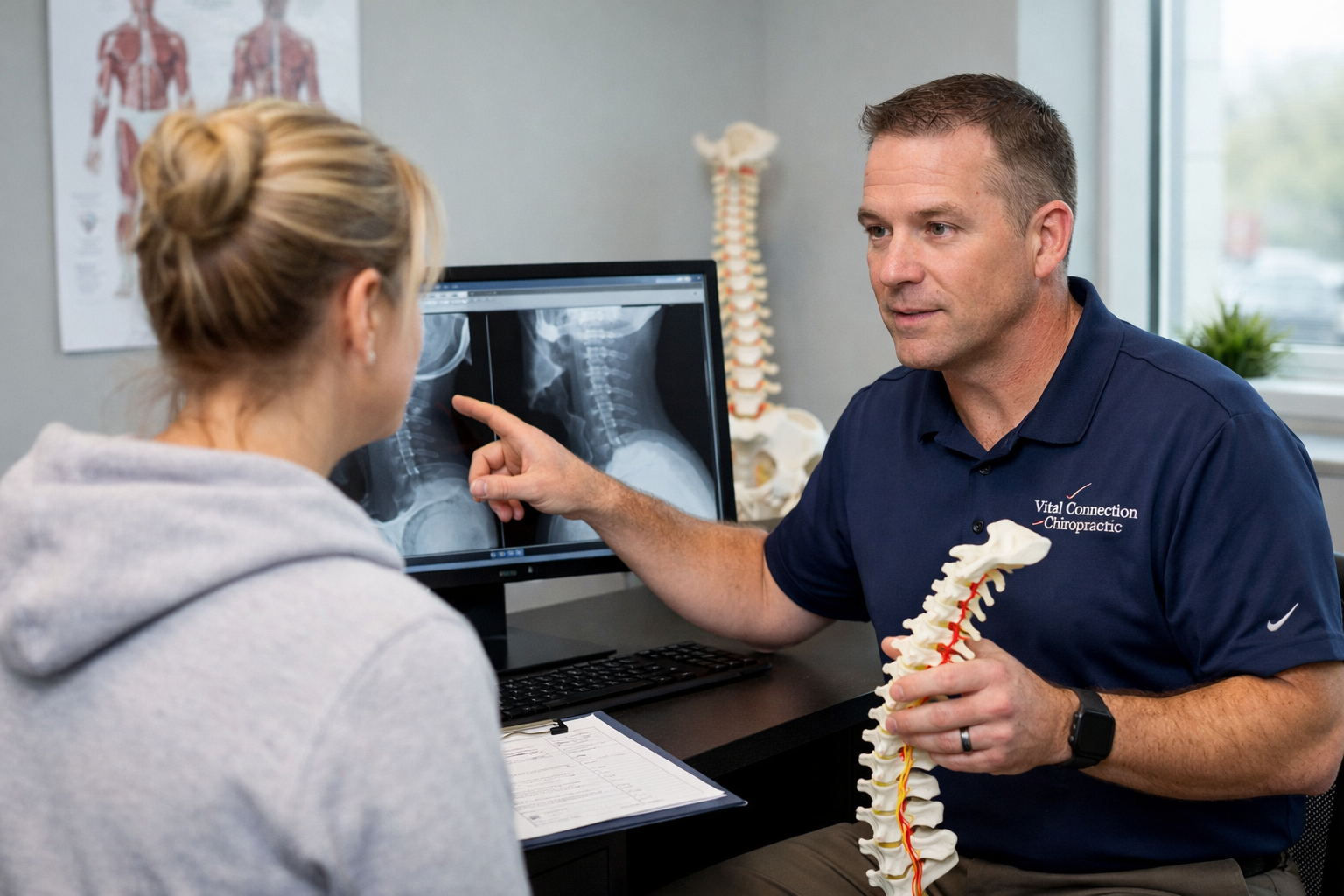
They may also assess posture, movement, tenderness, joint restriction, muscle guarding, and orthopedic or neurological signs. If red flags are present, referral for medical imaging or other medical evaluation may be appropriate.
 What treatment may look like
Treatment depends on the findings, severity of symptoms, and whether other providers are involved in your care. In many cases, a recovery plan may include a combination of hands-on care and active rehab.
Possible components include:
-
Gentle chiropractic adjustments when clinically appropriate
-
Soft tissue work for tight or irritated muscles
-
Guided stretching and mobility drills
-
Posture and ergonomic advice
-
Home exercises for neck, shoulder, and low back support
-
Activity modification during early recovery
The goal is usually to help improve function, reduce irritation, and support better movement as healing progresses. Some patients also need co-management with a primary care doctor, urgent care, orthopedist, neurologist, or physical therapist. A trustworthy chiropractor should be comfortable working within that broader care picture.
When you should get evaluated right away
It is reasonable to think, “It was just a fender bender, I’ll wait and see.” Sometimes symptoms do improve quickly. Other times, waiting allows stiffness, compensation, and irritation to build. Early documentation can also matter for insurance and treatment planning.
A chiropractic visit is not a replacement for emergency care. Seek urgent medical attention first if you have:
-
Severe headache after the crash
-
Loss of consciousness
-
Confusion
-
Significant dizziness
-
Weakness in the arm or leg
-
Chest pain
-
Shortness of breath
-
Suspected fracture
-
Progressive numbness
-
Trouble walking
-
Significant worsening of symptoms
For non-emergency musculoskeletal symptoms, it may help to schedule appointment soon so you can be properly assessed.
| Self-care after a crash | When to seek prompt medical attention |
|---|---|
| Use relative rest for the first day or two and avoid aggressive activity | Pain is intense, escalating, or paired with major neurological symptoms |
| Follow advice on ice or heat depending on your stage of recovery | You have weakness, fainting, or significant balance issues |
| Keep gentle movement within tolerance instead of complete bed rest | You suspect concussion, fracture, or internal injury |
| Track when symptoms begin and what aggravates them | Symptoms are spreading or not improving |
| Attend follow-up visits and do home exercises consistently | You cannot perform normal daily activities safely |
Why early care may help recovery
Many crash-related injuries involve soft tissue. Muscles, ligaments, fascia, and supporting joints do not always show obvious problems from the outside. Yet they can still become painful, inflamed, and stiff. When this is not addressed, people sometimes start moving differently to avoid pain. That compensation may then irritate other areas.
For example, a patient may guard their neck after an accident. That neck guarding can increase upper trap tension, contribute to headaches, and alter shoulder mechanics. Another patient may sit differently because of low back pain, leading to hip tightness and increased discomfort with driving or desk work.
Early care may help by:
-
Identifying the movements that are limited
-
Reducing protective muscle spasm
-
Improving joint motion where it is restricted
-
Giving the patient a safer plan for activity and home care
-
Monitoring progress so treatment can be adjusted when needed
 What about insurance, documentation, and settlement questions?
 What about insurance, documentation, and settlement questions?
This is one of the most common concerns after a collision. Patients often want to know whether care will be covered and how treatment records affect a claim. Coverage depends on the details of the accident, the insurance involved, state-specific rules, and the terms of the policy. Because those details vary, the safest answer is to verify benefits and claim options directly.
Good documentation still matters. Clear records about when symptoms started, how they changed, what was found on exam, and how you responded to care can support continuity of treatment. It can also make conversations with insurers, attorneys, or other providers more straightforward.
Patients in Fishers often also ask how much of a settlement they will personally receive. There is no reliable flat answer. Settlement outcomes depend on many factors, such as liability, policy limits, medical expenses, lost wages, nature of the injury, and legal fees. A clinic should not promise a payout. The better focus is getting evaluated, following an appropriate care plan, and documenting recovery carefully.
Why some doctors are cautious about chiropractic care
This is a fair question, and the answer is usually more nuanced than the internet makes it sound.
Some medical doctors are cautious because they want serious injuries ruled out first. After a crash, that is appropriate. If someone has possible fracture, concussion, significant neurological loss, or internal injury, emergency or medical evaluation should come first.
Others may be unfamiliar with the specific chiropractor’s training, treatment style, or communication habits. In reality, the best outcomes often come from coordinated care, not turf battles. A good auto injury chiropractor knows when chiropractic care fits, when imaging is needed, and when a different specialist should be involved.
Patients should also be cautious of any provider who oversells care, pushes long treatment plans without re-evaluation, or avoids referral when red flags appear. Clear communication, regular progress checks, and individualized planning matter.
How to choose an auto injury chiropractor in Fishers, IN
If you are searching locally, look for a clinic that is clear, thorough, and patient focused.
Good signs to look for
-
Careful history taking after the accident
-
A physical exam that includes movement and neurological screening
-
Willingness to coordinate with other healthcare providers
-
Clear explanation of findings and next steps
-
A treatment plan that is tailored, not one-size-fits-all
-
Progress checks rather than endless visits with no measurable goals
-
Professional communication about insurance and documentation
Questions you can ask
-
Have you treated whiplash and crash-related neck pain before?
-
What findings are you seeing in my case?
-
What is the plan for the next two to four weeks?
-
What should I avoid at home?
-
When would you refer me for imaging or another specialist?
-
How will we know if I am improving?
Recovery is often more than pain relief
 Recovery is often more than pain relief
Pain matters, but it is not the only thing that matters. Recovery also includes movement, sleep, focus, confidence in daily activity, and returning to work or family responsibilities. A good plan should support function, not just temporary symptom reduction.
That may include:
-
Getting comfortable enough to sleep better
-
Turning your head more easily while driving
-
Sitting at a desk with less tension
-
Returning to workouts gradually
-
Reducing headache frequency or intensity
-
Feeling safer doing normal daily tasks again
For many people in Fishers, Noblesville, Carmel, Geist, and nearby communities, a local clinic with an organized plan can make recovery feel less overwhelming. If you have questions about next steps after a collision, you can contact us to learn more about the evaluation process.
What to do in the first few days after a car accident
Every accident is different, so use judgment and follow medical advice based on your situation. In general, these steps are often helpful:
-
Get checked immediately if you have serious or emergency symptoms.
-
Write down what happened in the crash while details are still fresh.
-
Pay attention to new symptoms over the next 24 to 72 hours.
-
Avoid returning too quickly to heavy workouts or lifting.
-
Get a proper musculoskeletal evaluation if neck, back, headache, or movement symptoms appear.
-
Follow your home care plan consistently.
-
Reassess if symptoms are not improving as expected.
A local next step for patients in Fishers, IN
If you were in a car accident and now have neck pain, headaches, stiffness, back pain, or reduced movement, getting evaluated sooner rather than later is often the smart next step. The right plan may help address whiplash-related issues, soft tissue irritation, and movement problems before they become more stubborn.
Vital Connection Chiropractic serves patients in Fishers and nearby communities with patient-centered care focused on function, mobility, and an individualized approach. If you are ready to get your symptoms evaluated after a crash, schedule your visit and take the next step toward a more informed recovery plan.
FAQ
Is it a good idea to go to a chiropractor after a car accident?
It can be a good idea when your symptoms appear to be musculoskeletal, such as whiplash, neck pain, back pain, stiffness, headaches, or reduced range of motion. It is still important to seek emergency or medical care first if there are red flags such as loss of consciousness, major weakness, suspected fracture, severe dizziness, or other urgent symptoms. A proper evaluation helps determine whether chiropractic care fits your situation.
How much of a $100k settlement will I get?
There is no set amount any individual will receive from a settlement. The final amount can depend on liability, policy limits, medical costs, lost wages, attorney fees, and other case-specific factors. It is best to discuss settlement questions with your attorney or insurer rather than relying on generic online estimates.
Why do doctors discourage chiropractors?
Not all doctors discourage chiropractic care. In some cases, doctors are cautious because they want serious injuries ruled out first or they prefer a specific treatment sequence. After a car accident, that caution can be appropriate. The most important thing is coordinated care, appropriate screening, and choosing providers who communicate clearly and refer when necessary.
What is the fastest way to heal whiplash?
There is rarely one fastest solution for every person. In many cases, the best approach is early evaluation, relative rest, gentle movement within tolerance, a personalized treatment plan, and consistent follow-through with home exercises and follow-up care. Trying to ignore the pain or returning to intense activity too quickly can sometimes slow recovery.
Does whiplash neck pain ever go away?
Many people do improve, but recovery time varies based on the severity of the injury, prior health history, how quickly treatment begins, and how the body responds. Some cases resolve more quickly, while others take longer and need a more structured rehab plan. Persistent symptoms deserve re-evaluation so the treatment approach can be adjusted.