Pain Reliever for Slipped Disc: What May Help in Fishers, IN
A pain reliever for slipped disc symptoms may help reduce pain for a short time, but the best option depends on the cause of your symptoms, your health history, and how severe the irritation is. For many people, relief starts with a combination of activity modification, posture support, ice or heat, and the right kind of conservative care. If pain keeps returning, travels into the leg, or limits your daily life, a proper evaluation is important.
People in Fishers, IN often use the term “slipped disc” when they mean a bulging disc, herniated disc, or disc irritation in the low back or neck. While the wording is common, the reason it hurts can vary. In some cases, inflammation is the main issue. In others, the disc may be irritating a nearby nerve, which can cause aching, sharp pain, numbness, tingling, or weakness.
That is why pain relief should never be reduced to one pill or one quick fix. The goal is not only to calm pain, but also to understand what is stressing the area and what may help you move better while healing.
Why a slipped disc can be so painful
A disc sits between the bones of the spine and helps absorb force. When that disc becomes irritated or damaged, nearby tissues can become inflamed. If the disc pushes against or irritates a nerve, symptoms may spread into the buttock, leg, shoulder, or arm.
Common symptoms may include:
- low back pain that gets worse with bending or sitting
- pain that travels down one leg
- tingling or numbness
- muscle tightness or guarding
- pain with coughing, sneezing, or getting up from a chair
- difficulty standing upright after sitting
Not every slipped disc feels the same. Some people feel a dull ache. Others feel sharp, electric, or burning pain. The pattern matters, which is why a one-size-fits-all approach rarely works.
What pain reliever for slipped disc symptoms may help
A pain reliever for slipped disc discomfort is usually chosen based on whether the main problem seems to be inflammation, muscle guarding, nerve irritation, or simple pain control. Some people do better with rest and ice for a day or two. Others need a broader plan that includes movement, supportive positions, and hands-on care.
Here is a simple comparison of common options people ask about.
| Option | What it may help with | Important considerations |
|---|---|---|
| Acetaminophen | General pain relief | May help pain but does not reduce inflammation |
| NSAIDs such as ibuprofen or naproxen | Pain with inflammation | May not be appropriate for people with certain stomach, kidney, heart, or bleeding risks |
| Topical pain relievers | Local muscle soreness or surface discomfort | May help some people, but often less effective for deeper nerve-related pain |
| Prescription muscle relaxers | Significant muscle spasm or guarding | Best choice depends on your medical history and prescriber guidance |
| Ice and heat | Pain flares and stiffness | Ice may help early irritation; heat may help later muscle tightness |
| Conservative chiropractic and rehab-based care | Movement limits, joint irritation, mechanical stress | A proper exam helps determine whether this approach fits your case |
For some patients, over-the-counter options may be reasonable for short-term relief. For others, especially if symptoms are stronger, longer lasting, or travel into the leg, it makes sense to look beyond medication alone. This is where slipped disc pain medication in Fishers can be part of the conversation, but not the whole plan.
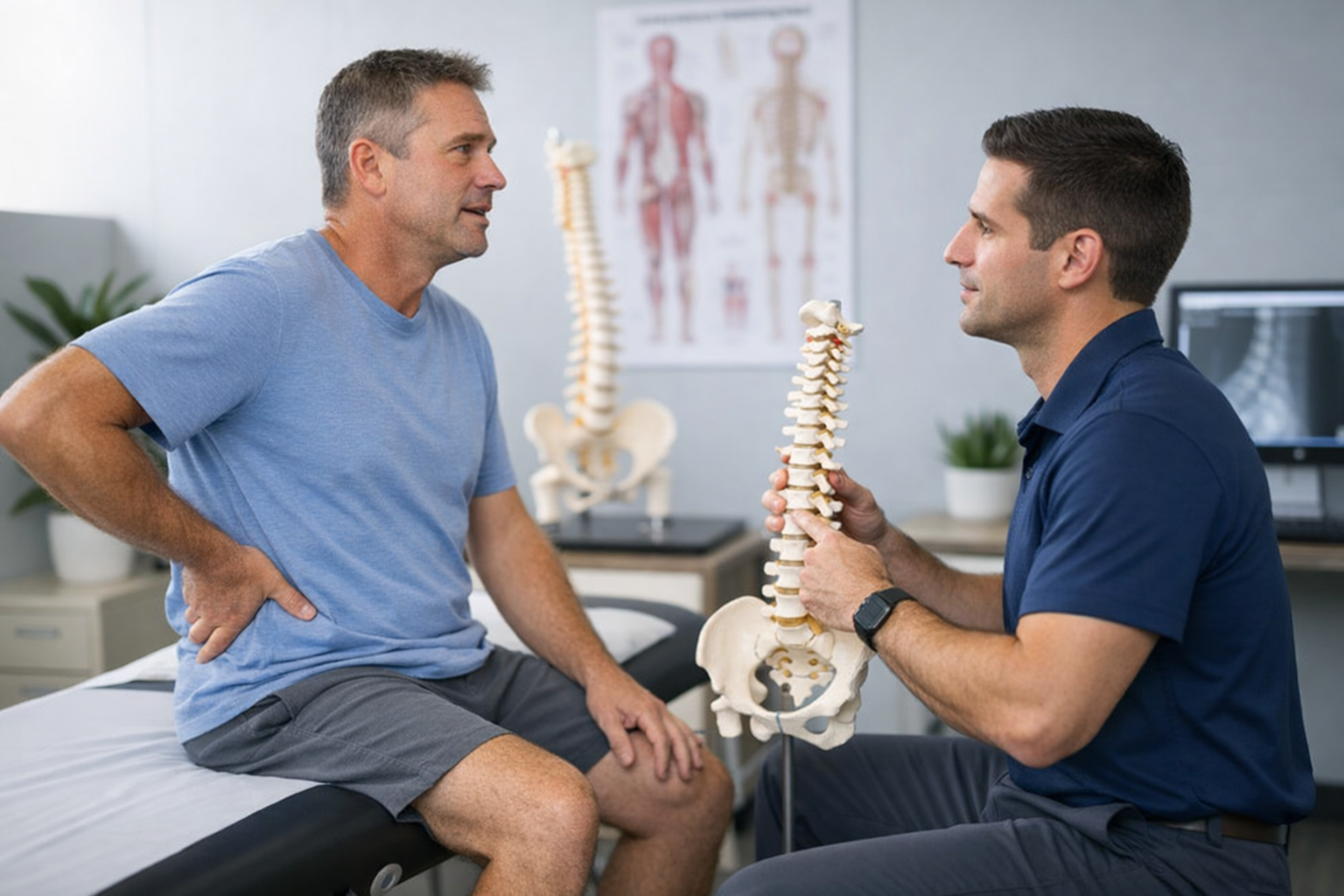 How to stop a slipped disc from hurting
When pain is active, many people want to know what they can do right now. A few practical steps often help calm the area and reduce repeat aggravation.
1. Avoid the movement that keeps flaring it up
This does not mean complete bed rest. It means avoiding the specific motions that repeatedly spike the pain, especially repeated bending, twisting, heavy lifting, or sitting in a slumped position for too long.
2. Change positions often
Staying in one position too long can increase disc pressure. Many people feel better when they alternate between short periods of sitting, standing, and walking.
3. Use ice or heat wisely
Ice may help during a strong flare, especially in the first day or two if the area feels inflamed. Heat may help when the muscles around the spine feel tight and guarded. Some people respond well to alternating the two.
4. Walk in short, tolerable doses
Walking can support circulation and reduce stiffness, but the key is dosage. A short walk may help. A long walk that sharply increases symptoms may not.
5. Support the spine when sitting
Sit with the hips slightly higher than the knees when possible, use lumbar support, and avoid collapsing into the lower back.
6. Get evaluated if symptoms linger
If pain continues, travels, or keeps interrupting sleep, work, or exercise, it is time to look deeper. Conservative options such as chiropractic care may help support recovery when guided by an exam and a personalized plan.
Everyday self-care versus signs you should not ignore
| What you can usually try at home | When you should stop self-treating and get checked |
|---|---|
| Short walks if symptoms stay manageable | Pain shooting farther down the leg or arm |
| Ice or heat based on what feels better | New numbness, weakness, or foot drop |
| Avoiding repeated bending and heavy lifting | Trouble standing, walking, or sleeping because of pain |
| Using lumbar support when sitting | Symptoms lasting more than expected without improvement |
| Gentle position changes through the day | Loss of bowel or bladder control, or numbness in the groin area |
Most slipped disc cases do not require panic, but they do benefit from paying attention. If symptoms are intensifying instead of settling, that matters.
 Should you walk with a herniated disc if it hurts?
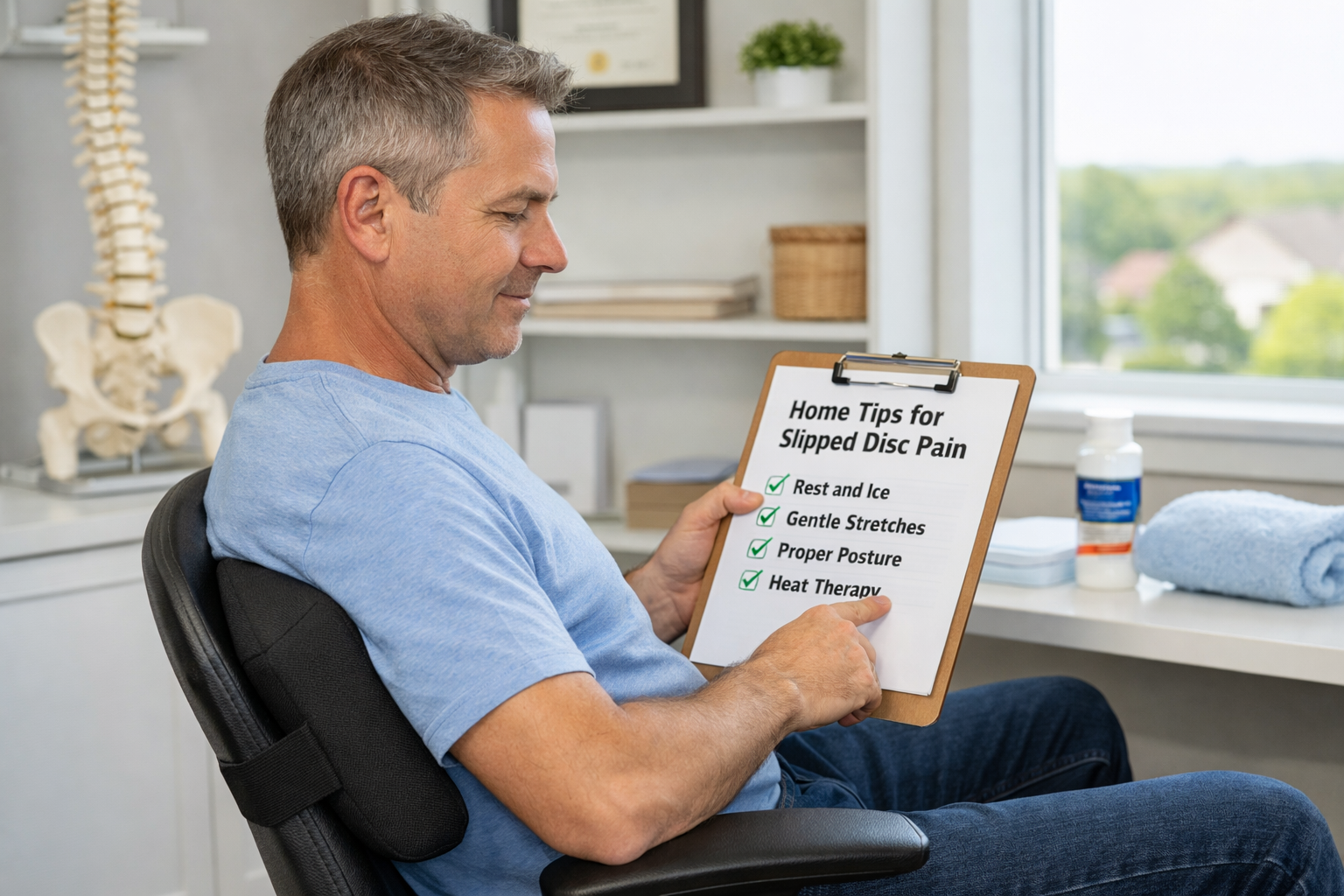 Should you walk with a herniated disc if it hurts?
Walking is often helpful, but only if it stays within a tolerable range. A mild increase in soreness can happen when tissues are irritated, but sharp, radiating, or worsening pain is a sign to back off and reassess.
A good rule is to choose shorter, more frequent walks instead of one long walk. For many people in Fishers, Noblesville, and nearby Hamilton County, this may look like a 5 to 10 minute walk several times a day rather than a long workout. Flat ground is usually better than hills during a flare.
Walking may not be ideal when:
- pain gets sharper with each step
- the leg feels weak or unstable
- symptoms intensify after walking and stay worse
- you are changing your gait to avoid pain
A proper exam can help determine whether walking should stay in your plan, and how much is appropriate right now.
What is the best muscle relaxer for a bulging disc?
There is no single best muscle relaxer for everyone with a bulging disc or herniated disc. That decision depends on your symptoms, other medications, work demands, sleep issues, and overall health. Some medicines may make one person drowsy while another person tolerates them well.
What matters most is that muscle relaxers are usually meant to support short-term symptom control, not solve the mechanical reason the area keeps getting irritated. If muscle spasm is part of the picture, relief may improve further when the underlying strain on the spine is addressed.
When a slipped disc chiropractor near me search makes sense
People often search for a slipped disc chiropractor near me when pain keeps returning, daily activity becomes difficult, or they want a conservative option before jumping into more aggressive care. That search becomes especially relevant when symptoms seem related to posture, lifting mechanics, work strain, repetitive bending, or long hours sitting.
At Vital Connection Chiropractic, the first priority is determining whether your presentation fits conservative care and whether imaging or another referral may be appropriate. A thorough evaluation may include:
- symptom history
- movement testing
- posture review
- nerve-related screening
- orthopedic testing
- discussion of activities that worsen or relieve symptoms
This matters because not all back pain that feels like a slipped disc is actually disc-driven. Muscle strain, joint irritation, sciatica-like irritation, and other mechanical issues can overlap. Reviewing slipped disc symptoms and treatment can help you understand the broader picture, but individualized care matters most.
What not to do when your slipped disc hurts
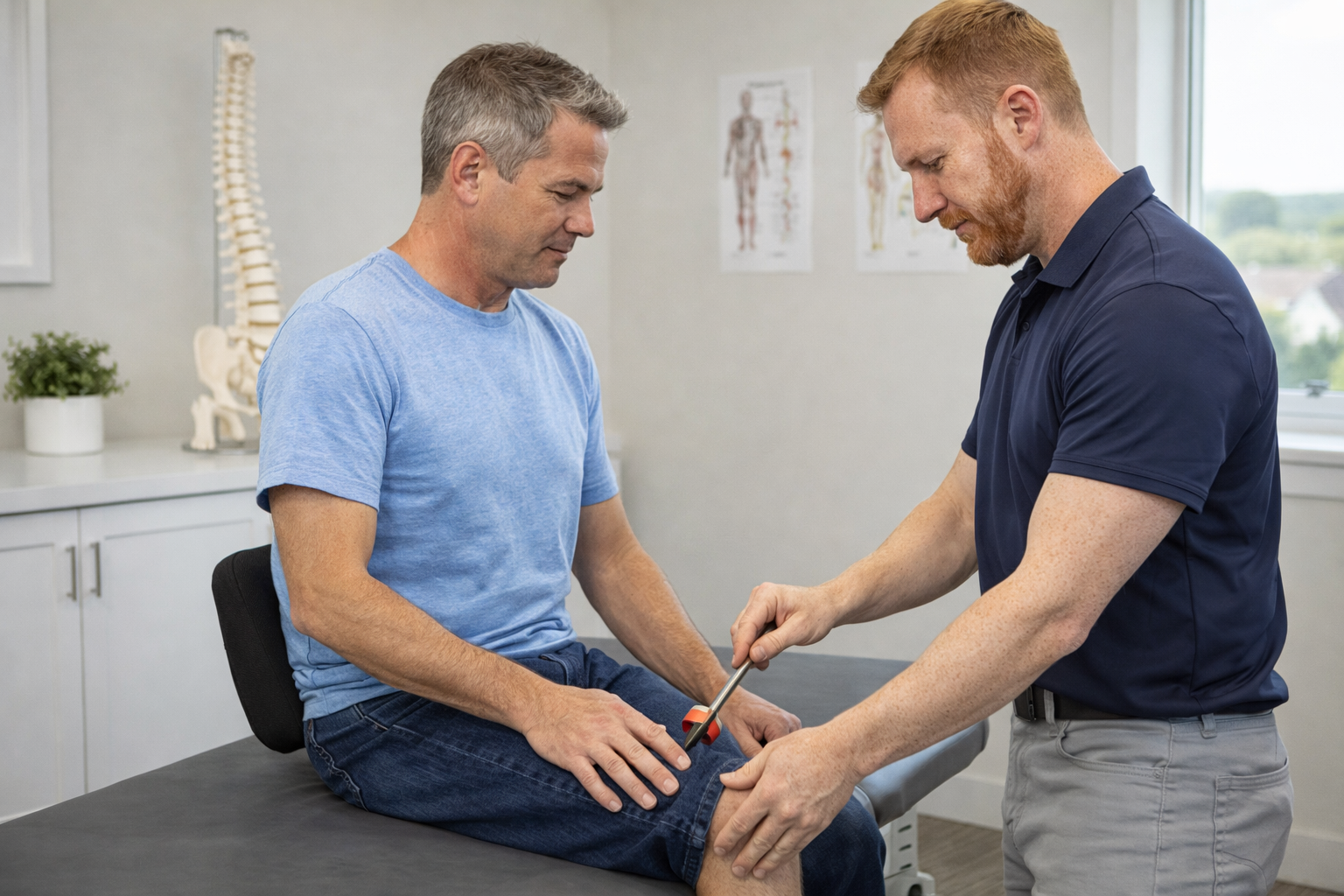 What not to do when your slipped disc hurts
Some people accidentally keep a slipped disc irritated because they continue habits that load the spine the same way every day. During a flare, it often helps to avoid:
Repeated forward bending
This includes bending over laundry baskets, low drawers, or the sink for long periods.
Heavy lifting with poor form
Even a light object can trigger pain if it is lifted with a rounded spine and twist.
Long periods of slouched sitting
This is common with desk work, long drives, or evenings on the couch.
Pushing through sharp pain at the gym
Staying active is valuable, but pain should guide your progression.
Waiting too long when symptoms are worsening
The longer movement patterns stay irritated, the harder it can be to calm things down.
For many office workers and active adults in Fishers and nearby communities like Carmel, McCordsville, and Geist, small day-to-day changes can make a noticeable difference. Ergonomics, lifting mechanics, and gradual return to activity are often part of the bigger plan.
How chiropractic care may help support slipped disc recovery
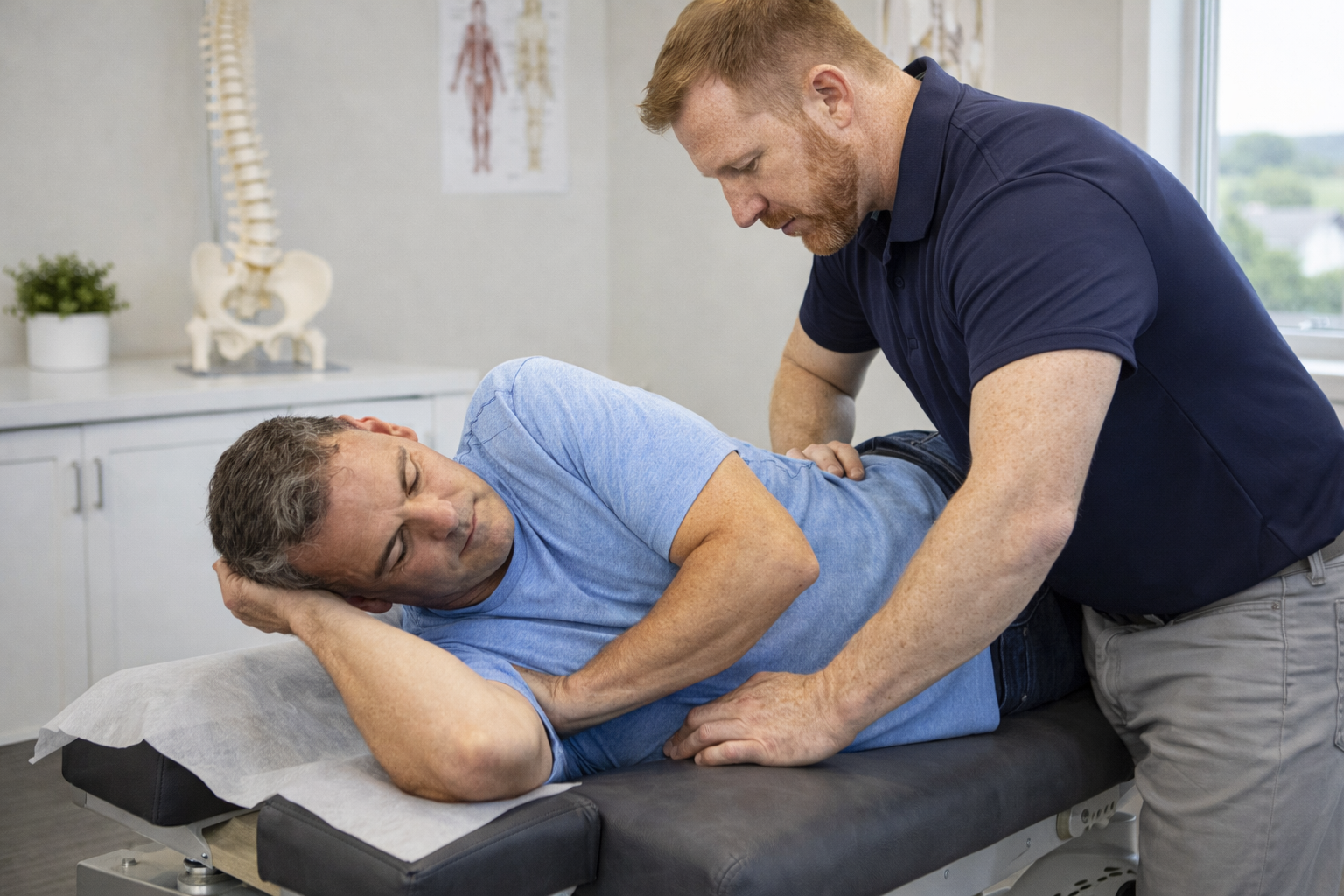
Chiropractic care is not about forcing every slipped disc into the same treatment. Care should be tailored to your symptoms, tolerance, and exam findings. Depending on the case, a conservative plan may include:
- gentle manual therapy
- movement guidance
- posture correction strategies
- activity modification
- targeted exercises
- progressive return-to-function advice
Some patients need more emphasis on calming pain first. Others need more focus on mobility, core support, and preventing repeat flare-ups. The right approach often depends on how irritable the disc is and whether the nerve is involved.
The goal is to help you move with less strain while supporting natural recovery. That is especially important for people who want to keep working, caring for family, or staying active without constant fear of setting the pain off again.
When you should seek urgent medical attention
 When you should seek urgent medical attention
Most slipped disc cases can begin with conservative care, but some symptoms should not be ignored. Seek prompt medical attention if you notice:
- loss of bowel or bladder control
- numbness in the groin or saddle region
- rapidly worsening weakness
- severe trauma followed by back pain
- fever, unexplained weight loss, or other concerning whole-body symptoms with back pain
These symptoms may point to something more serious and deserve urgent evaluation.
Recovery usually takes more than symptom masking
It is tempting to judge progress only by how much pain you feel today. But true progress often includes:
- moving more easily getting out of bed
- sitting longer without flaring
- walking with less guarding
- better sleep
- less leg pain or tingling
- more confidence with daily activity
That is why the best pain reliever for slipped disc symptoms is often part of a broader strategy, not the entire answer. Short-term relief may help you function, but long-term improvement usually comes from reducing irritation and improving how the spine handles daily demands.
If your pain keeps returning, if you are relying on short-term relief too often, or if you want guidance on whether conservative treatment fits your case, it may be time to schedule appointment with a provider who can evaluate the problem directly. You can also contact us if you have questions about whether your symptoms are appropriate for an evaluation at Vital Connection Chiropractic in Fishers, IN.
FAQ
What painkillers are good for slipped discs?
Common painkillers people ask about include acetaminophen and anti-inflammatory medicines such as ibuprofen or naproxen. The best choice depends on your health history, symptoms, and any medication risks. Because slipped disc pain may involve inflammation, muscle guarding, or nerve irritation, a proper evaluation can help guide the safest next step.
How to stop a slipped disc from hurting?
Many people start with relative rest, position changes, ice or heat, short walks if tolerated, and avoiding repeated bending or heavy lifting. Pain that keeps returning or spreads into the leg should be evaluated so the plan is based on the actual cause of the irritation.
What is the best muscle relaxer for a bulging disc?
There is no one best muscle relaxer for every person. The right option depends on your symptoms, medical history, and whether drowsiness or other side effects are a concern. Muscle relaxers may help temporarily, but they do not correct the mechanical stress that may be contributing to the problem.
Should I walk with a herniated disc if it hurts?
Walking is often helpful in short, tolerable doses, but it should not significantly worsen symptoms. If walking causes sharper pain, more leg symptoms, or lasting flare-ups afterward, you may need a different strategy until the area settles.
What are the 5 stages of a herniated disc?
There is not one universal five-stage system used in every setting, but people often describe disc problems as moving from disc degeneration to bulge, protrusion, extrusion, and sequestration. Not every case progresses this way, and imaging findings do not always match pain levels. A clinical exam helps connect symptoms to what is actually happening.