Scoliosis Chiropractor in Fishers, IN: What Patients Should Know
A scoliosis chiropractor may help reduce scoliosis-related back discomfort, stiffness, muscle tension, restricted movement, and posture-related strain. Chiropractic care does not cure scoliosis or reliably straighten a structural spinal curve, so a responsible care plan should focus on comfort, mobility, function, and appropriate referral when medical monitoring is needed. For patients in Fishers, IN, the best first step is a careful evaluation that considers symptoms, age, growth status, prior imaging, and the severity of the curve.
What Is Scoliosis?
Scoliosis is a side-to-side curvature of the spine that may form an S-shaped or C-shaped pattern when viewed from behind. It is commonly identified during late childhood or the early teenage years, although adults can also have long-standing scoliosis or develop degenerative spinal curvature later in life.
Scoliosis is more than ordinary slouching. Posture may change how a person looks or feels, but a true scoliosis diagnosis is based on the spinal curve, clinical examination, and often imaging.
Common signs can include:
- One shoulder sitting higher than the other
- Uneven shoulder blades
- One hip appearing higher
- An uneven waistline
- A rib prominence when bending forward
- Leaning toward one side
- Clothing hanging unevenly
- Back fatigue after prolonged sitting or standing
Some people have mild scoliosis and few symptoms. Others experience stiffness, muscle fatigue, back pain, reduced activity tolerance, or difficulty maintaining comfortable positions. Severe curves can affect the rib cage and may interfere with breathing, but this is not typical of mild scoliosis.
Patients who are exploring different spinal or musculoskeletal concerns can review the clinic’s Conditions page for an overview of available care.
 What Does a Scoliosis Chiropractor Do?
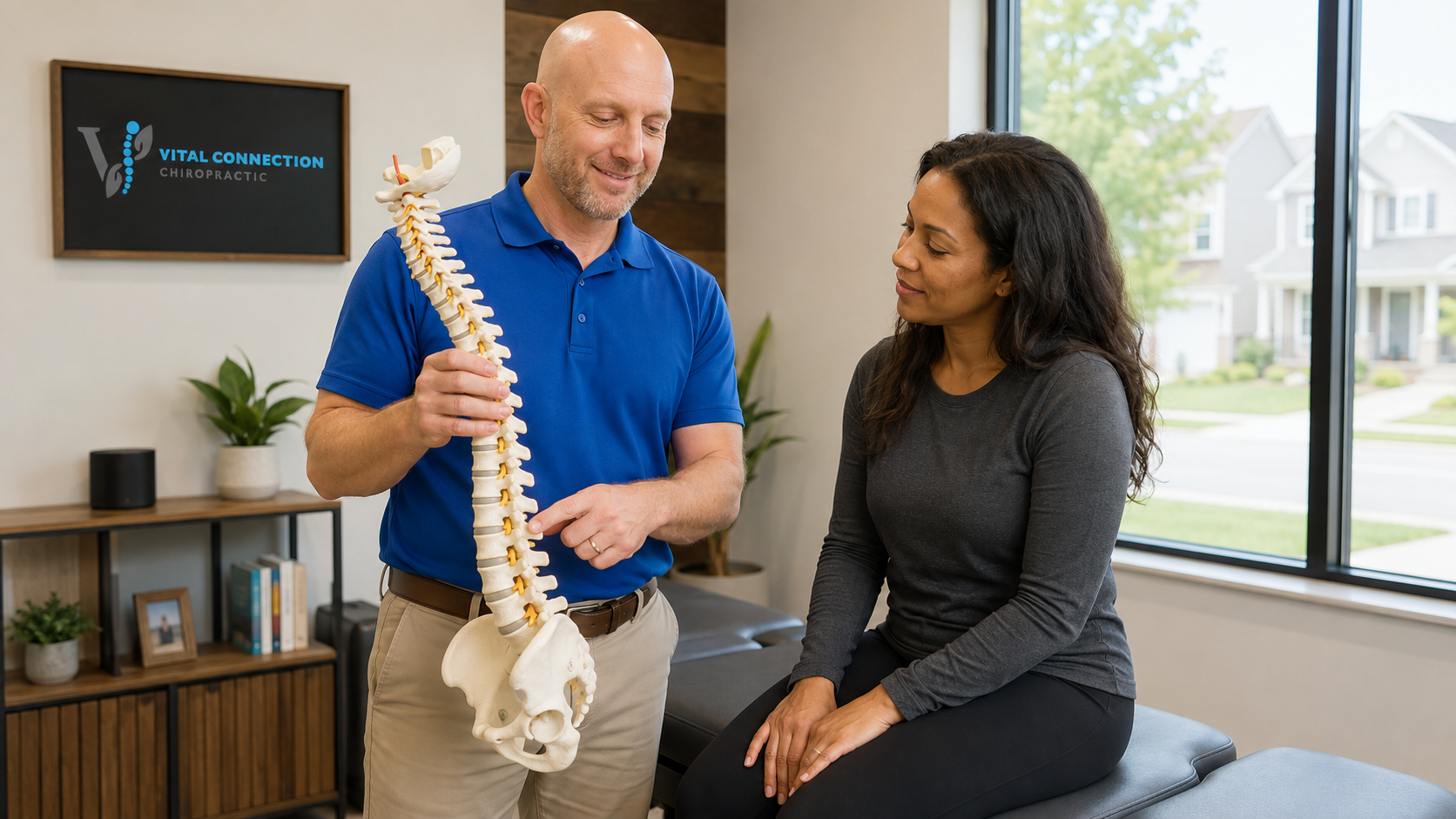
A scoliosis chiropractor evaluates how the spine, hips, rib cage, muscles, joints, and daily movement patterns work together. The purpose should not be to force the spine into a perfectly straight position. Instead, the chiropractor may look for areas that are moving poorly, carrying excessive tension, or contributing to discomfort.
A scoliosis-focused evaluation may include:
- Reviewing when scoliosis was diagnosed
- Discussing previous X-rays or specialist recommendations
- Observing posture from the front, side, and back
- Checking spinal and hip mobility
- Assessing muscle tension and asymmetry
- Reviewing work, school, sports, and sleep habits
- Screening for nerve-related symptoms
- Determining whether additional imaging or medical referral may be appropriate
The uploaded reference materials similarly distinguish symptom support from claims of permanently correcting the spinal curve. They also emphasize individualized assessment rather than treating every scoliosis patient with the same technique.
Care may include gentle manual techniques, mobility guidance, posture education, home recommendations, or coordination with another healthcare professional. The specific approach should depend on the patient’s age, symptoms, medical history, curve characteristics, and tolerance.
Can a Scoliosis Chiropractor Help?
A scoliosis chiropractor may help some patients manage pain, stiffness, restricted joint movement, muscle imbalance, and postural fatigue. The most realistic goal is often to help the person move more comfortably and participate more confidently in normal activities.
Chiropractic care should not be presented as a replacement for observation, bracing, physical therapy, orthopedic care, or surgery when those services are medically indicated. The American Academy of Orthopaedic Surgeons states that observation, bracing, and surgery are the established approaches used to influence idiopathic scoliosis management, depending on curve severity and progression risk.
A chiropractor for scoliosis may support care by helping with:
- Back or neck discomfort associated with muscular tension
- Joint stiffness in areas surrounding the spinal curve
- Posture awareness during sitting, standing, and lifting
- Movement confidence during normal daily activity
- Ergonomic habits for school or office work
- Safe activity modification when symptoms flare
- Communication about signs that require medical evaluation
The following table explains several common concerns and reasonable next steps.
| Concern | What It May Mean | Best Next Step |
|---|---|---|
| Uneven shoulders or hips | A spinal curve, muscular compensation, or posture difference may be present | Schedule an evaluation and bring previous imaging if available |
| Back fatigue after sitting | Muscular endurance, joint stiffness, or workstation setup may contribute | Assess posture, mobility, and daily sitting habits |
| Pain with numbness or weakness | Nerve involvement or another condition may be present | Seek prompt medical evaluation |
| A rapidly changing posture | The curve may be progressing, particularly during growth | Contact a medical provider or orthopedic specialist |
| Breathing difficulty with a known curve | A severe thoracic curve may affect rib cage mechanics | Obtain medical assessment rather than relying only on conservative care |
Patients can learn more about Vital Connection Chiropractic’s hands-on, conservative approach through the Chiropractic Care page.
What to Expect During a Scoliosis Chiropractic Evaluation
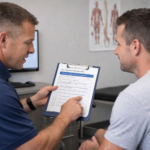
A first visit should be clear, educational, and individualized. You should have an opportunity to explain when symptoms began, where discomfort occurs, what activities feel difficult, and whether your posture or curve appears to be changing.
The chiropractor may ask about:
- Previous scoliosis diagnosis
- Cobb angle or imaging results, if known
- Growth status in a child or teenager
- History of bracing or surgery
- Current exercise and sports activities
- Numbness, tingling, weakness, or balance changes
- Breathing concerns
- Workstation, school, driving, and sleep positions
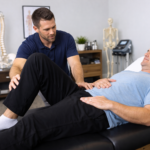
The physical assessment may include posture observation, range-of-motion testing, muscle palpation, hip and shoulder movement, balance, and functional tasks such as bending, walking, or changing positions.
Not every patient should receive the same adjustment. A responsible recommendation may include gentle care, home mobility strategies, a physical therapy referral, medical imaging, or an orthopedic consultation. Existing health conditions, previous spinal surgery, osteoporosis, neurological symptoms, and the type of scoliosis may change what is appropriate.
Spinal manipulation commonly causes temporary soreness, stiffness, increased discomfort, or headache in some patients. Serious complications are considered rare, but patients should share their complete health history before beginning treatment.
 Scoliosis Chiropractic Care for Children, Teens, and Adults
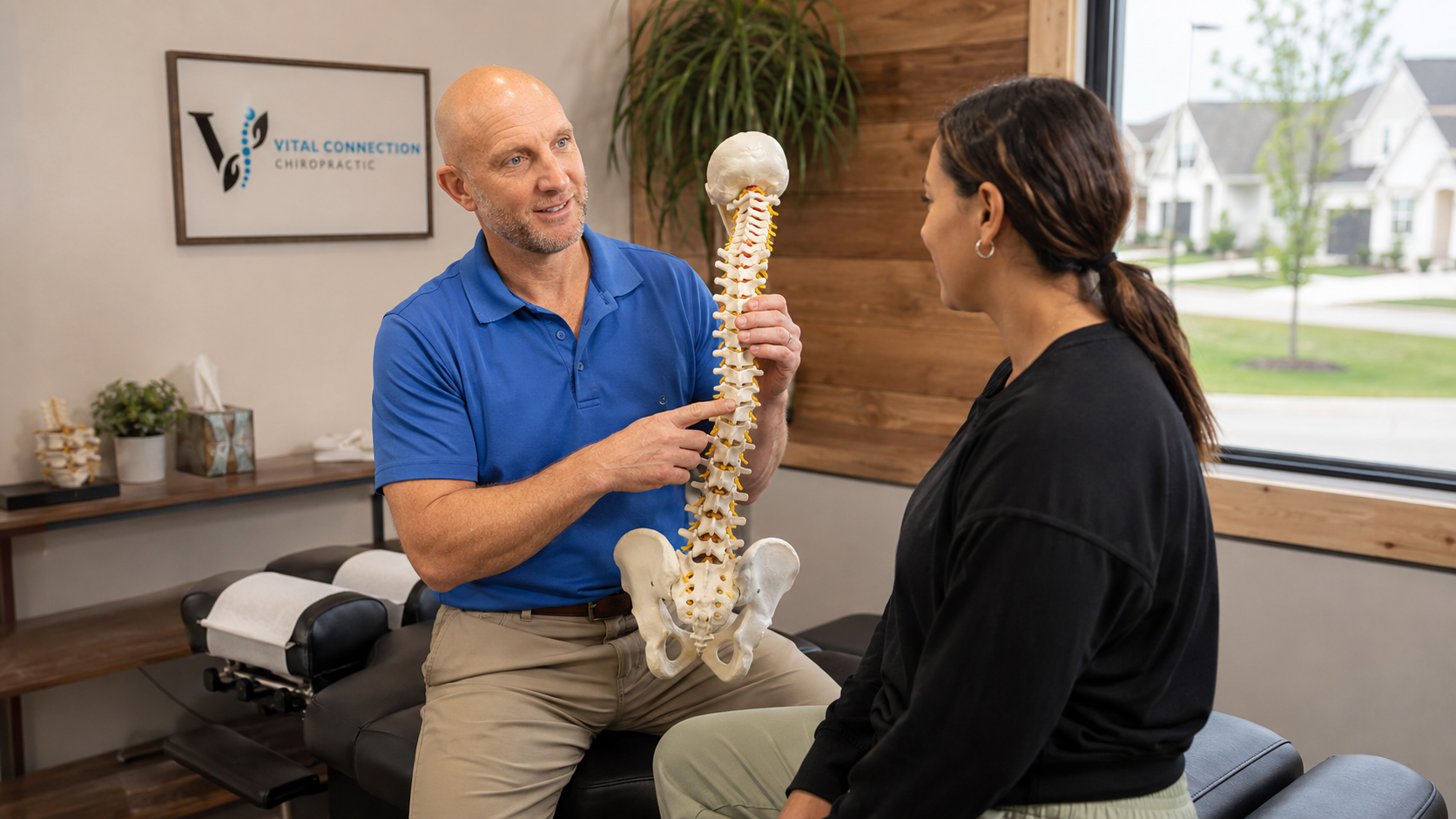 Scoliosis Chiropractic Care for Children, Teens, and Adults
Scoliosis care should reflect the patient’s stage of life. A growing teenager with a recently identified curve has different priorities from an adult with long-standing scoliosis and recurring back stiffness.
Children and Teenagers
Scoliosis frequently becomes noticeable during periods of rapid growth. Some mild curves may only require observation, while moderate curves in a growing child may require bracing to reduce the risk of progression. Larger or rapidly worsening curves may require specialist evaluation.
Chiropractic care may be considered for comfort, mobility, and posture education, but it should not replace scheduled medical follow-ups or prescribed bracing. Parents should be cautious of any provider who promises to permanently correct a curve without considering the child’s growth, imaging, and orthopedic recommendations.
Adults
Adults may experience discomfort from muscle fatigue, joint degeneration, uneven loading, reduced mobility, or long periods of sitting. The care goal is often symptom management and function rather than structural curve correction.
An adult scoliosis plan may focus on:
- Maintaining comfortable spinal and hip movement
- Reducing avoidable strain during work
- Improving activity tolerance
- Supporting strength and balance
- Modifying lifting or exercise techniques
- Identifying symptoms that require medical care
Active Patients and Athletes
Scoliosis does not automatically mean a person must stop exercising. Physical activity is generally encouraged unless pain, recent surgery, a specific medical condition, or a healthcare provider’s instructions require restrictions. The Scoliosis Research Society advises that children with scoliosis can usually continue sports and activities they enjoy when they are comfortable and have not been given special restrictions.
A chiropractor may help an active patient assess hip movement, thoracic mobility, training balance, recovery habits, and repeated movement patterns. Exercise recommendations should match the individual instead of assuming that every asymmetrical movement is harmful.
| Care Option | Best For | Why It May Help |
|---|---|---|
| Chiropractic evaluation | Patients with stiffness, postural fatigue, or movement-related discomfort | Identifies mobility restrictions and contributing movement patterns |
| Gentle manual care | Selected patients without contraindications | May support short-term comfort and joint movement |
| Physical therapy | Strength, balance, endurance, and scoliosis-specific exercise needs | Provides progressive exercise and functional rehabilitation |
| Medical monitoring | Growing patients or people with changing curves | Tracks progression and helps guide bracing or specialist care |
| Orthopedic evaluation | Severe curves, rapid progression, neurological symptoms, or breathing concerns | Determines whether advanced imaging or surgical consultation is needed |
More condition-specific information is available on the clinic’s Scoliosis page.
What Should You Avoid With Scoliosis?
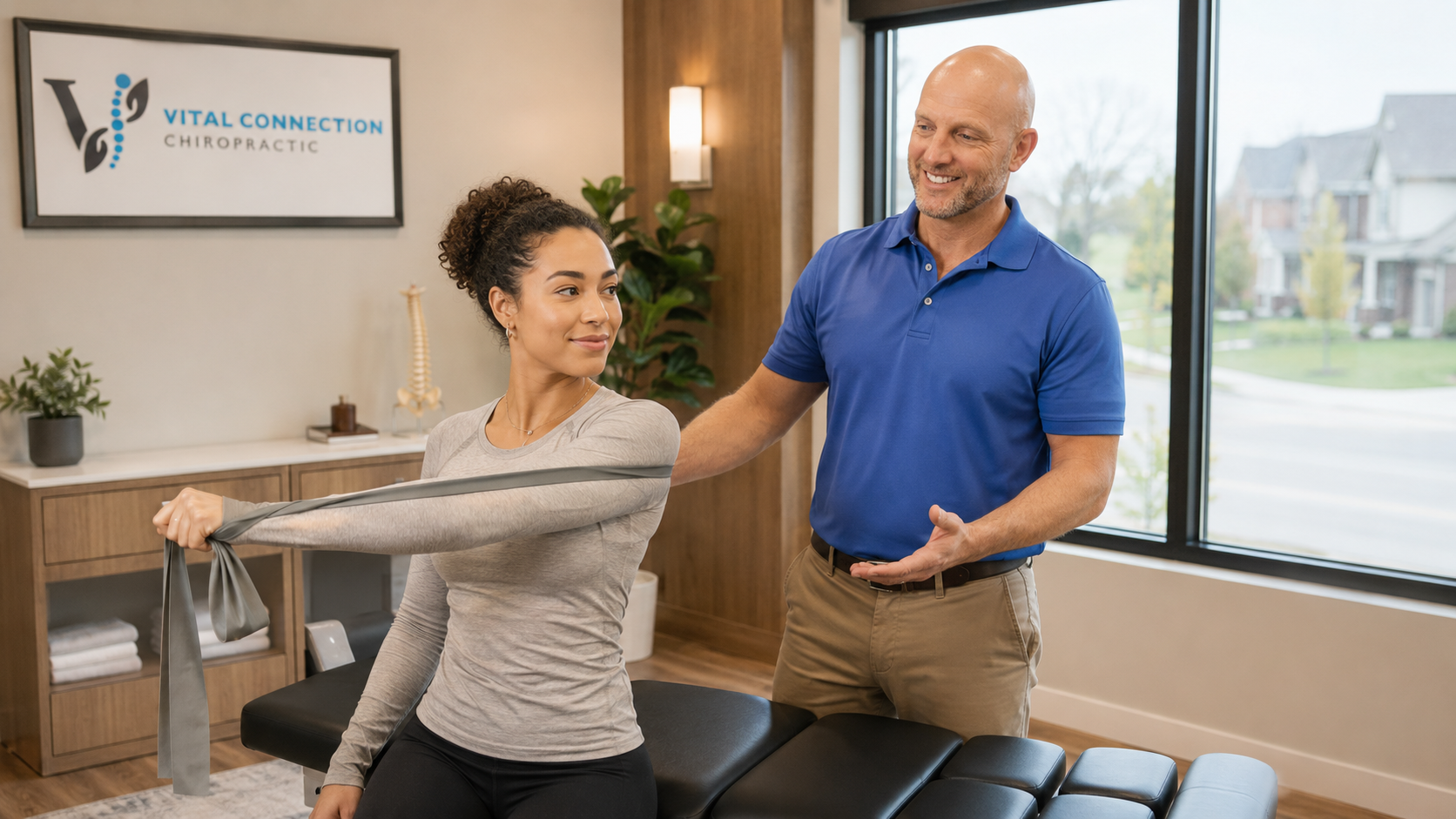 What Should You Avoid With Scoliosis?
There is no universal list of forbidden activities for everyone with scoliosis. Many people can safely remain active. Restrictions should be based on pain, curve severity, age, surgery history, neurological findings, and advice from the patient’s healthcare team.
In general, avoid the following:
Ignoring a Changing Curve
A visible posture change during a growth spurt should not be dismissed. Children and teenagers with known scoliosis should follow the monitoring schedule recommended by their medical provider.
Forcing Painful Stretches
Stretching should not create sharp pain, numbness, or radiating symptoms. Aggressive twisting or repeatedly forcing the body toward one side may irritate sensitive joints or muscles.
Following Generic Online Correction Programs
A routine that helps one person may not match another person’s curve pattern, strength, age, or symptoms. Exercise selection is safer when based on an individualized evaluation.
Stopping All Physical Activity
Avoiding movement because of fear can contribute to weakness, stiffness, and reduced confidence. Unless a doctor has provided restrictions, gradual and comfortable activity is generally more helpful than complete inactivity.
Assuming Every Pain Is Caused by Scoliosis
Back pain can come from many sources. New, severe, or persistent pain should be evaluated rather than automatically attributed to the spinal curve.
Delaying Medical Care for Red Flags
Numbness, weakness, balance problems, bowel or bladder changes, severe night pain, fever, unexplained weight loss, or breathing difficulty require medical attention.
What Things Can Worsen Scoliosis or Its Symptoms?
Scoliosis progression and scoliosis symptoms are not the same thing. A person may experience more pain without the curve becoming larger. Another person may have curve progression with little discomfort.
Factors that may increase the risk of curve progression include remaining growth, a larger curve at diagnosis, and certain underlying forms of scoliosis. Treatment decisions for children often consider curve size and how much growth remains.
Symptoms may feel worse because of:
- Prolonged sitting without position changes
- A poorly arranged desk or workstation
- Repeated heavy lifting with poor control
- Sudden increases in exercise volume
- Weakness or reduced conditioning
- Sleeping in a position that increases discomfort
- Carrying weight unevenly
- Ignoring persistent pain
- Stress-related muscle tension
- Another spinal, hip, or nerve condition
A heavy backpack or poor posture does not usually cause idiopathic scoliosis, but it may contribute to temporary muscle and joint discomfort. The goal is not perfect posture every minute. The more practical goal is frequent movement, varied positions, and a setup that reduces unnecessary strain.
Helpful daily habits may include:
- Change position every 30 to 60 minutes.
- Keep screens near eye level.
- Use both backpack straps.
- Build core, hip, and upper-back strength with professional guidance.
- Warm up before exercise.
- Stop activities that cause sharp or radiating pain.
- Maintain scheduled medical follow-ups.
- Keep a record of changing symptoms.
When Scoliosis Needs Medical Evaluation
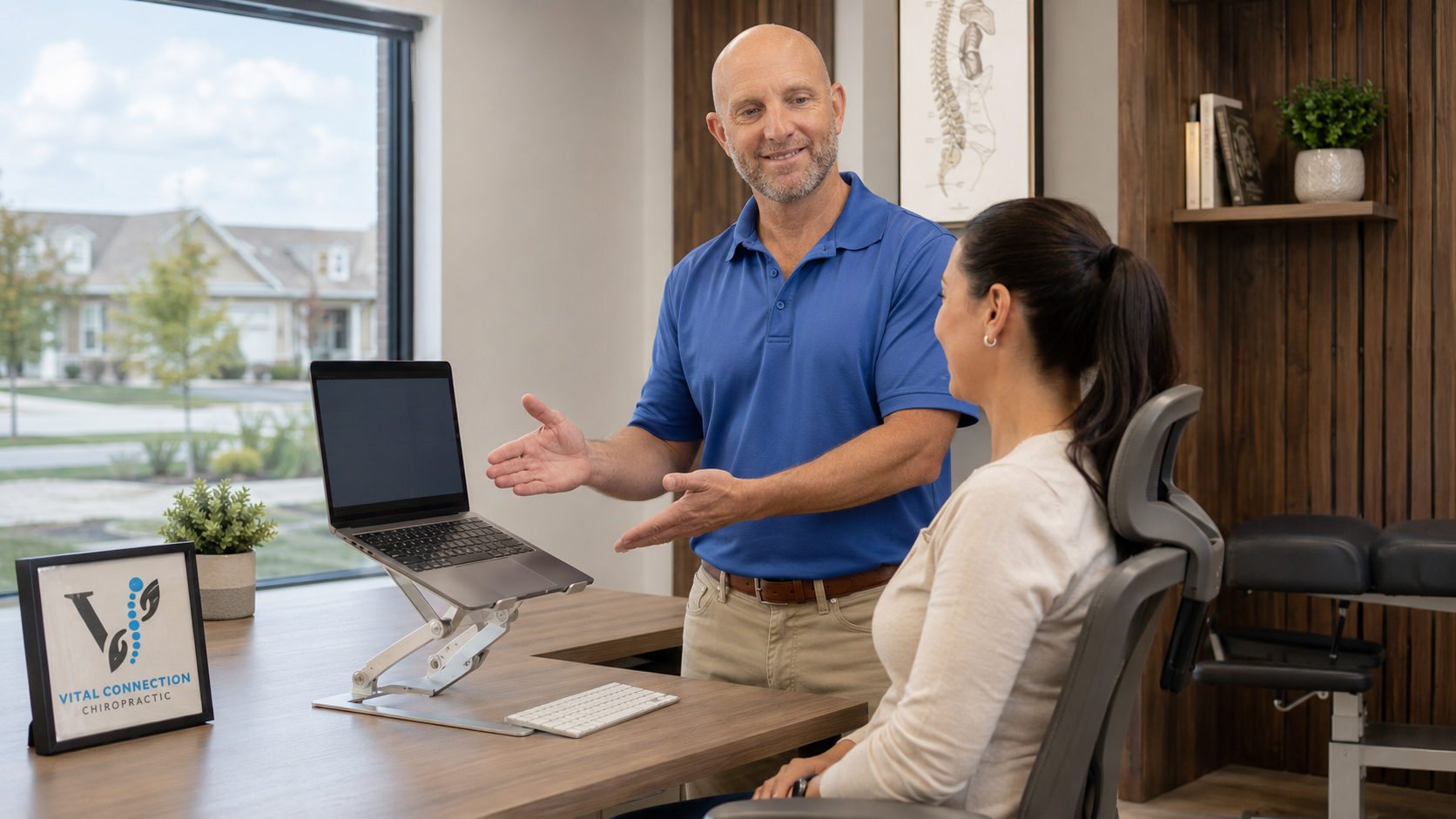 When Scoliosis Needs Medical Evaluation
Many scoliosis cases are mild, but certain signs deserve timely medical attention.
Contact a healthcare provider if you notice:
- Rapidly increasing spinal or rib cage asymmetry
- A new curve in a young child
- Significant pain without a clear reason
- Pain that regularly wakes the person at night
- Numbness, tingling, or weakness
- Difficulty walking or maintaining balance
- Loss of bowel or bladder control
- Fever or unexplained weight loss
- Breathing difficulty
- A known curve that appears to be progressing
- Symptoms following a fall or significant injury
Surgery is generally considered for severe curves, commonly around 45 to 50 degrees or more, particularly when the curve is likely to continue progressing. Decisions depend on age, curve type, symptoms, growth, and specialist evaluation.
Chiropractic care can be one part of a broader conservative plan, but it should not delay appropriate imaging, bracing, neurological evaluation, or orthopedic care.
Is a Chiropractor for Scoliosis Right for You?
A scoliosis chiropractor may be a reasonable option when your main concerns are stiffness, back fatigue, limited mobility, posture-related discomfort, or difficulty staying active comfortably.
You may benefit from an evaluation if:
- You have known scoliosis and recurring muscular discomfort
- Sitting or standing causes back fatigue
- You want guidance on movement and posture habits
- You feel stiff during work, school, or exercise
- You want conservative support alongside medical monitoring
- You are unsure whether your symptoms require referral
The right plan should clearly explain what chiropractic care may support, what it cannot guarantee, and which symptoms require another healthcare professional.
Vital Connection Chiropractic serves Fishers, IN and nearby Hamilton County communities with individualized, patient-friendly care. To discuss your symptoms and previous scoliosis findings, use the Schedule Appointment page. Questions about the clinic, records, or visit preparation can be sent through Contact Us.
Frequently Asked Questions
Does chiropractic actually help scoliosis?
Chiropractic care may help with scoliosis-related comfort and movement, but it is not a proven cure for the spinal curve. A scoliosis chiropractor may address joint stiffness, muscle tension, postural strain, and movement habits that contribute to discomfort. Some patients may feel better or move more easily with conservative care. However, chiropractic care should not replace medical monitoring, bracing, physical therapy, or orthopedic treatment when those options are indicated. Expectations should be based on the patient’s symptoms, age, growth, imaging, and curve severity.
What organ is affected by scoliosis?
The lungs are the organs most likely to be affected when scoliosis becomes severe enough to change the shape and movement of the rib cage. Most mild curves do not affect internal organs. With a very large thoracic curve, the chest may have less room to expand, which can contribute to breathing difficulty. Significant effects on the heart or other organs are uncommon and are generally associated with severe deformity or an underlying medical condition. Breathing symptoms should be medically evaluated.
Is it better to see a chiropractor or physical therapist for scoliosis?
The better option depends on the patient’s symptoms, goals, age, and curve characteristics. A chiropractor may focus on spinal mobility, joint restriction, posture education, and short-term discomfort. A physical therapist may emphasize strengthening, endurance, balance, movement retraining, and scoliosis-specific exercises. These services can complement each other when providers communicate. Children with progressing curves, adults with neurological symptoms, and anyone with a severe curve should also have appropriate medical or orthopedic oversight rather than relying on one conservative provider.
What should I not do if I have scoliosis?
Do not assume that every activity is unsafe, but avoid movements that create sharp pain, numbness, weakness, or worsening symptoms. You should also avoid ignoring a visibly changing curve, skipping prescribed monitoring, forcing aggressive stretches, or following generic online correction programs without professional guidance. Most people with scoliosis can remain physically active unless their doctor has given specific restrictions. After scoliosis surgery, follow the surgeon’s limits for lifting, bending, sports, and return to normal activity.
What things worsen scoliosis?
Growth and curve severity are important factors in structural progression, while daily habits are more likely to worsen symptoms than the curve itself. A child with substantial growth remaining may have a higher progression risk, especially when the curve is already moderate or large. Prolonged sitting, inactivity, poor conditioning, sudden training changes, and repeated painful movements may increase stiffness or discomfort. They do not necessarily make the structural curve larger. New posture changes should be evaluated instead of blamed only on lifestyle habits.
What vitamin helps scoliosis?
No vitamin has been proven to straighten the spine or cure scoliosis. Vitamin D and calcium are important for normal bone health, and a deficiency should be addressed with guidance from a healthcare professional. Vitamin D helps the body absorb calcium, while adequate calcium supports bone structure and strength. Taking high-dose supplements without testing or medical advice is not a scoliosis treatment and may carry risks. A balanced diet, appropriate activity, and treatment of documented nutritional deficiencies are more responsible than relying on a single supplement.