

Scoliosis Treatment: When to Get Checked (Signs, Screening, Next Steps)
Not every uneven shoulder means you need to panic, but persistent asymmetry is worth checking. If you are in Fishers, IN, the fastest path is a simple screen, a clear evaluation if the pattern sticks around, and a practical plan based on what is actually found.
If you want a quick baseline first, review the signs of scoliosis guide, then use the “when to get checked” triggers below to decide your next step.
When should you get checked? ✅
If you notice the same posture change most days for 2–4 weeks, it is reasonable to schedule an evaluation. This is especially true during teen growth spurts, after a noticeable change in photos, or if discomfort and fatigue are building with sitting, sports, or long workdays.
Use this simple decision rule:
✅ Get checked soon (days to weeks) if the asymmetry repeats, seems to increase, or a parent/coach notices it consistently.
✅ Get checked now (same week) if you have new numbness, weakness, balance changes, or pain that does not match a normal “muscle sore” pattern.
✅ Get medical care urgently if symptoms follow trauma, include fever, or involve major neurological changes.
The signs that matter most (and what they usually mean)
Most people do not “feel” early scoliosis patterns. They notice them in mirrors, photos, clothing fit, or movement fatigue first. The key is consistency, not a one-time weird stance.
 Quick Reference Table: What you see and the best next move
| What you notice | What it can suggest | What to do next |
|---|---|---|
| Uneven shoulders or one shoulder blade sticks out | Trunk rotation or upper back asymmetry | Track weekly photos for 2–4 weeks, then consider an evaluation |
| Uneven waistline or “one side indents more” | Rib/waist shift or pelvic tilt pattern | Check clothing fit + repeat photos; evaluate if it stays consistent |
| Shirts twist or hems hang unevenly | Persistent trunk rotation or stance compensation | Use the home checks below, then book if it repeats |
| One hip higher or pant legs feel “off” | Pelvic tilt, leg length compensation, or curve pattern | Do a calm screen and get assessed if it persists |
| Pain or fatigue after sitting/standing | Load intolerance, stiffness, or muscle imbalance | Consider an evaluation to identify the driver, not just chase symptoms |
📌 Tip: if you are a parent, a monthly front-and-back photo (same distance, same lighting) often shows change more clearly than daily mirror checks.
Why getting checked early is usually the smart move (even if symptoms are mild)
There are three practical reasons to avoid guessing:
First, “looks uneven” can come from more than one thing. Some people have a structural curve; others have a posture, mobility, or leg-length compensation that mimics one. The right plan depends on which one you have.
Second, teens and adults tend to need different strategies. Teens are often about monitoring and progression risk during growth. Adults are often about comfort, mobility, endurance, and keeping daily triggers from repeatedly flaring the same areas.
Third, you will make better choices with measurements than with fear. A clear evaluation can tell you whether you are dealing with a stable mild curve, a pattern that needs monitoring, or something that should be coordinated with another provider.
How screening works (home, school, and in-clinic)
1) A calm at-home screen (5 minutes)
A good home screen is not about forcing perfect posture. It is about spotting patterns that repeat.
Start with three checks:
Mirror check: stand relaxed and look for shoulder height, shoulder blade prominence, waist symmetry, and hip height.
Clothing check: note twisting shirts, uneven hems, or one pant leg feeling “different” repeatedly.
Photo check: look at a recent front and back photo where you are not trying to stand “extra straight.”
If you want a step-by-step walkthrough, use this internal guide: signs of scoliosis.
2) The forward bend screen (use it carefully)
The forward bend screen (often used in basic scoliosis screening) can make trunk asymmetry easier to see. Do it slowly, stop if it hurts, and treat it as a “should I follow up?” clue, not a diagnosis.
If you see a clear “one side higher” rib or back prominence, that is a reasonable reason to book an evaluation.
3) School screening and sports physicals (helpful, but not perfect)
Some kids are first flagged in school or during a sports physical, but not every area screens the same way. Screening can be useful for catching patterns during growth spurts, but it does not replace a real assessment if you are seeing repeated changes at home.
The practical takeaway: if a screen raises concern or your own checks keep showing the same asymmetry, that is enough reason to get evaluated.
4) What an in-clinic evaluation usually includes
A useful visit should give you clarity, not vague reassurance.
Most evaluations include:
A short history: when you noticed changes, growth spurts, pain or fatigue triggers, sports and activity load, family history.
Posture and movement checks: how your ribs, pelvis, hips, and upper back move and stack.
Basic neurological screen if needed: strength, sensation, reflexes (especially if symptoms are unusual).
Imaging only if indicated: often used when measurements are needed or progression risk is a concern.
 Which next step fits best? (Based on age, symptoms, and progression risk)
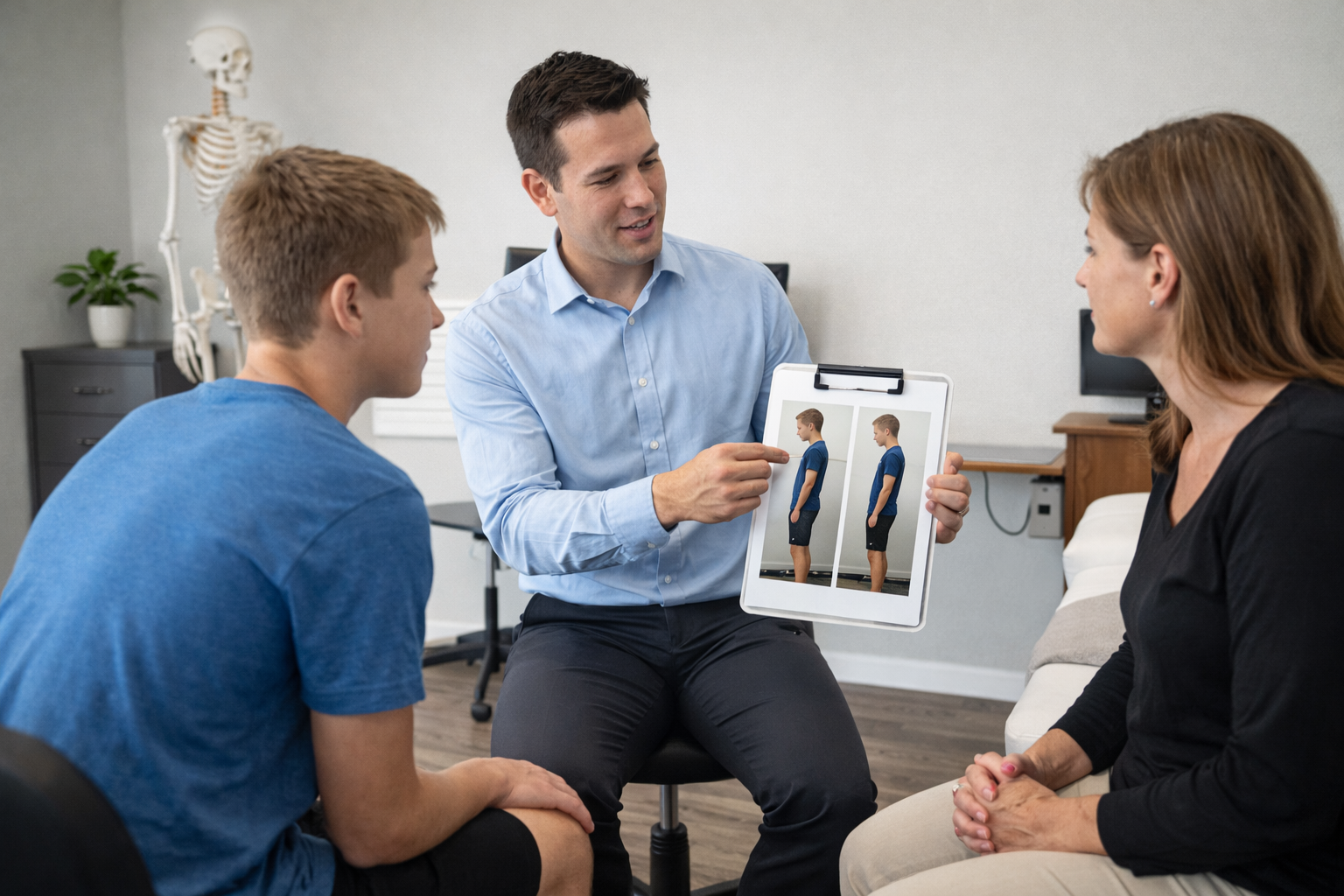 Which next step fits best? (Based on age, symptoms, and progression risk)
People usually want one answer: “What should I do?” The better question is: “Which lane am I in?” Your lane depends on growth stage, curve behavior over time, and what you are trying to improve (appearance, comfort, function, or progression risk).
Quick Reference Table: Common scenarios and the best first move
| Scenario | Best first move | Why this is usually the best option |
|---|---|---|
| Asymmetry shows up once, then disappears | Re-check in 2–4 weeks | Many posture quirks are temporary and do not need a full workup |
| Asymmetry repeats most days for 2–4 weeks | Schedule an evaluation | Consistency is the trigger for clarity and measurement |
| Teen during a growth spurt with increasing asymmetry | Evaluation + monitoring plan | Growth is the main time progression risk can rise |
| Adult with stiffness/fatigue that builds with sitting or work | Function-focused plan | Adults often benefit from mobility, endurance, and trigger control |
| Pain plus numbness/weakness or balance changes | Medical evaluation promptly | Neurological symptoms change the decision-making fast |
| Confirmed curve that is progressing | Coordinated care (may include bracing/specialist) | Progression risk often requires shared management |
📌 Practical tip: bring your photos (front/back) and a short list of triggers (sitting, backpack, sports, driving). That often speeds up the “why is this happening?” part of the visit.
Options that may be recommended (from least to most intensive)
This section is the “how it typically goes” roadmap. Your plan should be individualized, but most conservative pathways follow a similar progression.
Observation and re-checks (when the pattern looks stable)
If the findings suggest a stable pattern, the best move may be monitoring with simple check-ins. This approach is common when function is good and progression risk looks low.
What makes this approach effective is structure: consistent photos, periodic reassessment, and clear “if this changes, we escalate” rules.
Exercise-based care (when function, endurance, and posture control are the target)
Many people do well with a targeted plan aimed at:
Upper back mobility (so the neck and low back do not compensate)
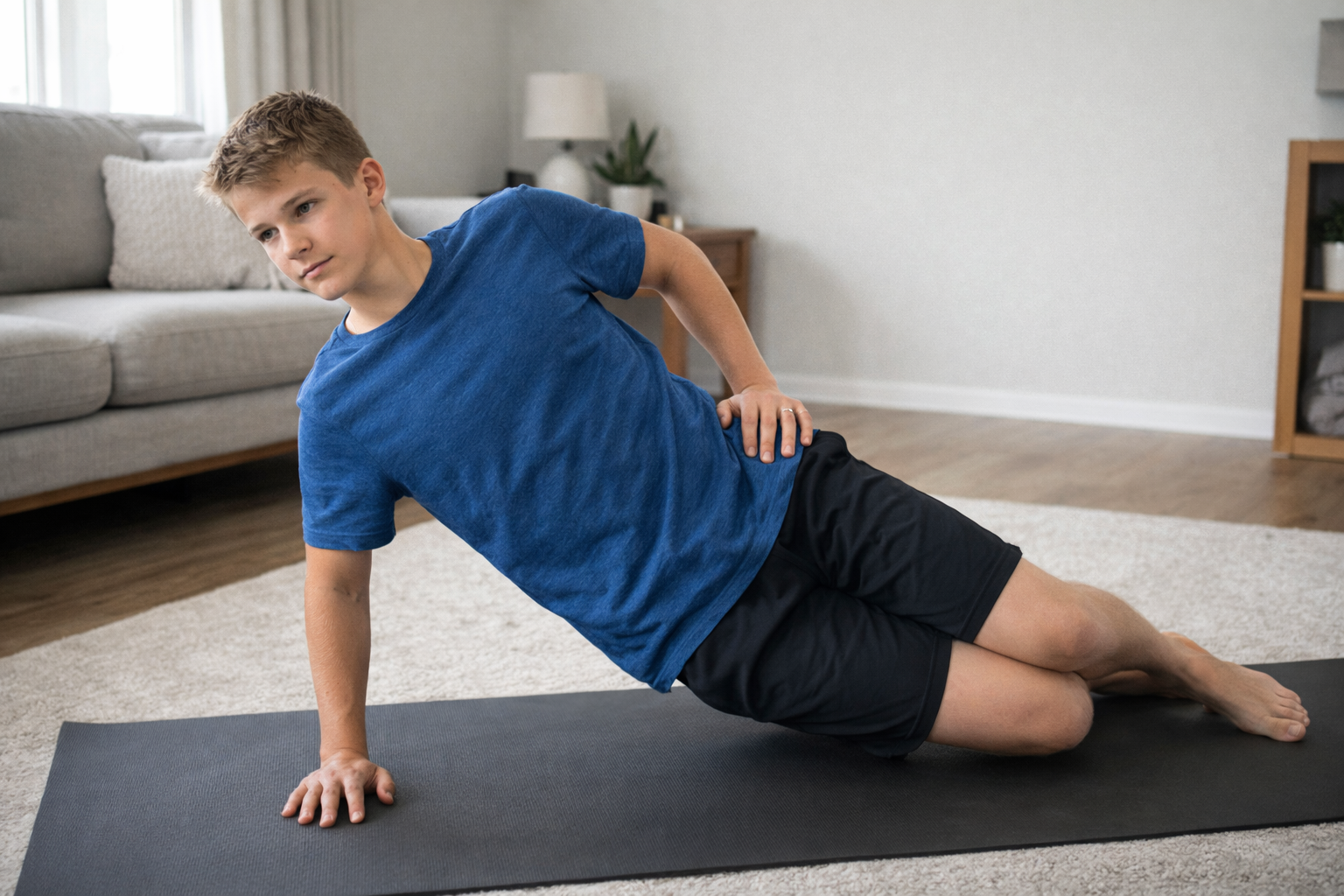
Lateral core endurance (so you can hold better trunk control under daily load)
Breathing mechanics (rib position affects how you stack and move)
Hip stability (hips often decide how the pelvis tilts and rotates)
This can be delivered through physical therapy approaches, scoliosis-specific exercise methods, or a combined plan depending on the clinic and your needs.
Chiropractic care and guided home work (when comfort and movement quality are limiting)
Some people choose a conservative approach that includes gentle joint work, soft tissue support, and a simple home plan to improve daily tolerance. The goal is often better movement and less “posture fatigue,” not a promise of perfect spinal “straightness.”
If you want to explore local conservative options, start with scoliosis care in Fishers, IN.
Bracing and specialist coordination (often discussed in growing teens)
If progression risk is higher during growth, a provider may coordinate with an orthopedics team for bracing decisions. Bracing is typically about slowing or stopping progression during growth, not about instant comfort.
If you are in the teen growth-spurt window, do not rely on guesswork. Measurements and timelines matter here.
Surgery (reserved for specific cases)
Surgery is usually reserved for cases where curve severity, progression, or function demands it. If surgery is being discussed, you should be in specialist care with clear imaging and goals.
Red flags that should override “wait and see”
Do not “stretch it out” or ignore these:
New weakness, numbness, or coordination changes
Symptoms after trauma
Fever, unexplained weight loss, or severe night pain
Rapid functional decline
Those patterns should be evaluated medically.
What to expect at your first appointment (Fishers + nearby areas)
A good first visit should feel organized and practical.
Most first appointments follow a flow like this:
-
Consultation: what you noticed, when it started, and what triggers symptoms
-
Exam + posture review: how your trunk, ribs, pelvis, hips, and upper back are moving
-
Clear explanation: what the findings suggest and what is worth measuring or monitoring
-
Plan options: what to do at home, what care could help, and how progress is checked
If you are coming from Noblesville, Geist Indianapolis, Castleton, Carmel, or McCordsville, the goal is the same: leave with a plan that matches your actual pattern, not a generic checklist.
Next Steps in Fishers (Hub + Location + Schedule) ✅
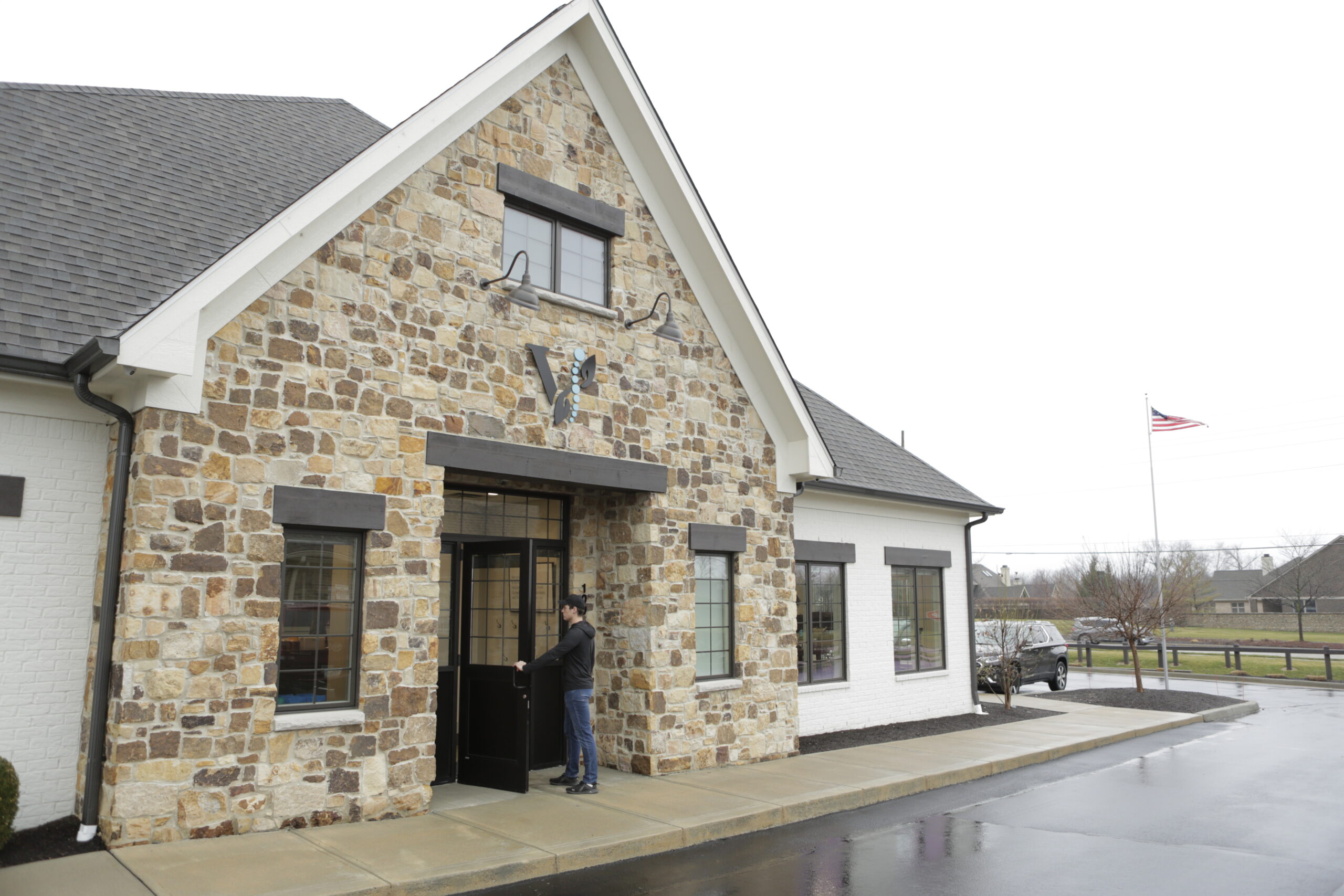
 Next Steps in Fishers (Hub + Location + Schedule) ✅
If you want local guidance and a clear plan, start here:
✅ Hub page: scoliosis care in Fishers, IN
✅ Main clinic location + hours: Contact the Fishers clinic
✅ Ready now: Schedule an appointment
Helpful nearby location pages:
✅ chiropractor near Noblesville, IN
✅ chiropractor Carmel, IN
✅ chiropractor near Castleton, IN
✅ chiropractor near McCordsville, IN
Note for Geist Indianapolis: many Geist and northeast Indy patients use the Fishers clinic as the closest hub, then schedule based on availability.

 Frequently Asked Questions
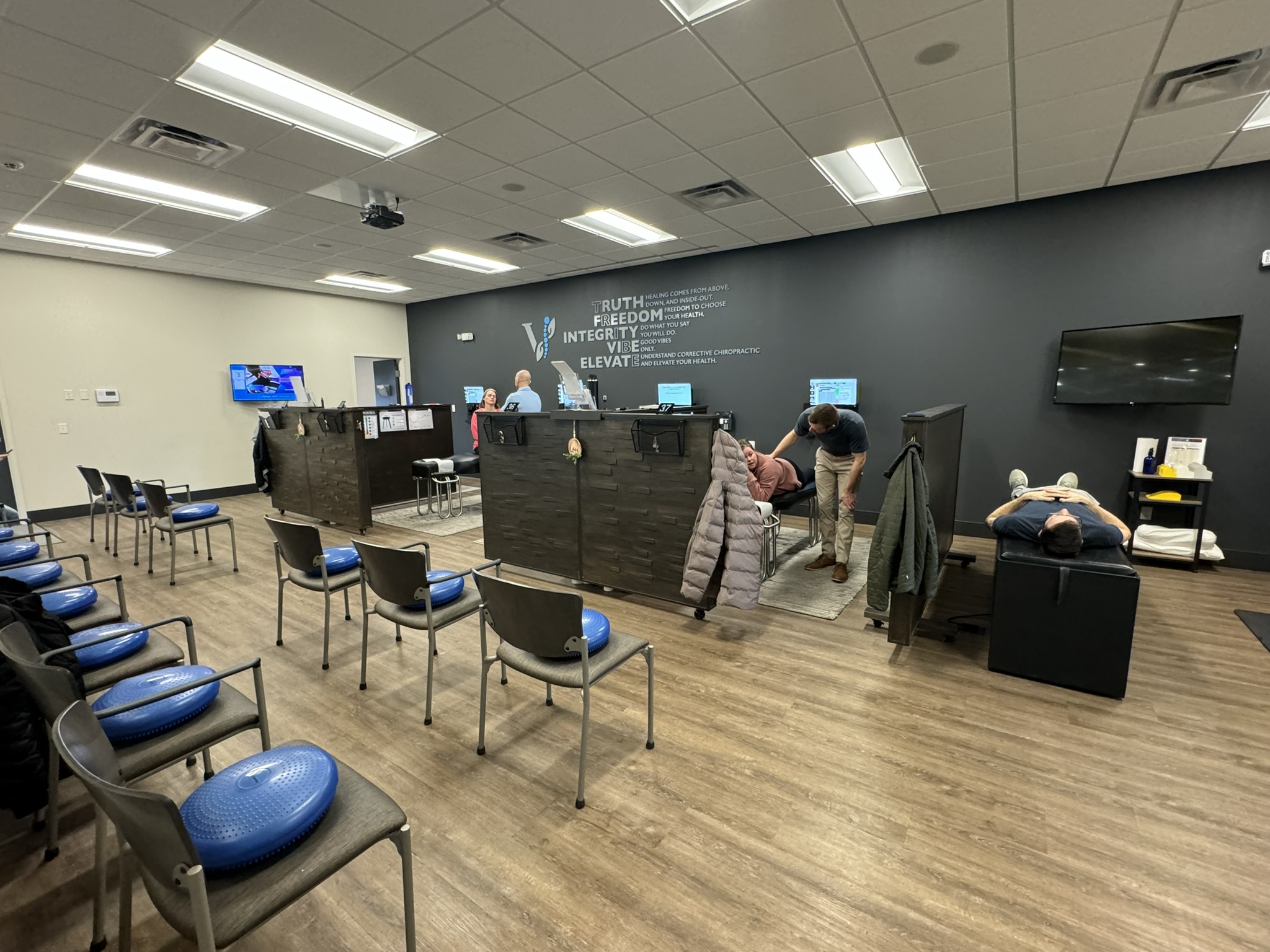 Frequently Asked Questions
How do you prevent scoliosis from getting worse?
The main goal is to monitor change and reduce progression risk, not to chase perfect posture all day. For teens, the most important factor is growth stage, because curves are more likely to change during growth spurts. A practical approach is monthly photos, periodic re-checks, and a plan that matches what a clinician finds (mobility, endurance, sport load, and daily habits). For adults, “worse” often means more pain, stiffness, or fatigue, so the focus is usually consistent movement, strength endurance, and controlling triggers like long sitting or repeated awkward lifting. If measurements show progression, you may also need coordinated care with a specialist.
What exercises should you avoid with scoliosis?
Avoid exercises that consistently spike pain, force aggressive twisting, or load the spine heavily with poor control. The issue is usually not one “forbidden” move, but doing the right move at the wrong intensity. Many people flare up with aggressive sit-ups, heavy back squats without good trunk control, deep backbends that compress the low back, or high-rep twisting routines done fast. If a stretch or exercise creates sharp pain, radiating symptoms, or next-day worsening that lasts more than 24–48 hours, treat that as a signal to scale back and get guidance. A clinician can help you choose progressions that build endurance and control without feeding the same irritation pattern.
How do you treat scoliosis in adults?
Adult care is usually about pain reduction, mobility, and improving daily function, not “erasing” the curve. Many adults do best with a combined plan: posture coaching for work and driving triggers, targeted strength endurance (especially lateral core and hips), and mobility work for the upper back so the neck and low back do not compensate. Some adults also use conservative in-office care to reduce stiffness and help movement quality while they build a simple home routine. If there are neurological symptoms, rapid changes, or severe limitation, adults may need imaging and medical coordination. The best plan is the one that improves your tolerance for the life you actually live.
What are the do’s and don’ts of scoliosis?
Do focus on consistency, simple tracking, and building strength endurance; don’t rely on random stretches or fear-based restrictions. Do take periodic photos, note your triggers (sitting, backpacks, sports), and stick to a repeatable routine that improves control and mobility. Do ask for a clear explanation of findings and what progress should look like. Don’t force painful twisting or aggressive stretching to “straighten” yourself. Don’t ignore red flags like numbness, weakness, balance changes, or symptoms after trauma. Most importantly, don’t assume every asymmetry means severe scoliosis. Get assessed, then match the plan to the reality.
What will worsen scoliosis?
The biggest “worsening” drivers are unmonitored progression during growth, repeated overload without control, and ignoring patterns that are clearly increasing over time. In teens, growth spurts matter most, which is why consistent monitoring is so important. In adults, worsening often looks like increasing pain, stiffness, or endurance loss with sitting and work demands. Poorly managed training load can also aggravate symptoms, especially if you repeatedly load the spine with poor trunk control or compensate heavily to one side. Another common issue is doing a lot of “stretching harder” while avoiding strength and endurance. The more useful approach is measurement, monitoring, and a plan that builds tolerance instead of guessing.
What can you never do again after scoliosis surgery?
Most people can return to many normal activities after recovery, but “never again” depends on the procedure, fusion levels, and surgeon guidance. In general, post-surgery restrictions focus on protecting healing early (no heavy lifting, bending, or twisting at first), then gradually rebuilding strength and endurance under medical supervision. Long-term, some patients may need to limit high-impact sports, repetitive heavy lifting, or extreme spinal twisting, especially if fusion levels reduce spinal mobility. The best advice is specific: ask your surgeon what is restricted short-term vs long-term, what movements are encouraged, and what a safe training progression looks like. Your rehab plan should be individualized.
Your Next Move for scoliosis treatment
If you are seeing repeatable posture changes or building discomfort, the best next step is a clear evaluation and a simple plan that matches what is actually happening. If you are ready to take action locally, use the hub page, location info, and the scheduling link above to get started in Fishers and nearby communities.


