How Do I Know If I Have Slipped a Disc?
You may have a slipped disc if your back or neck pain travels into an arm or leg, especially when it comes with numbness, tingling, burning pain, or weakness. But symptoms alone cannot confirm it. A proper exam, and sometimes imaging such as an MRI, is what helps tell the difference between a slipped disc, a muscle strain, arthritis, or another cause of nerve pain.
A slipped disc is a common term for a herniated disc. It happens when part of the soft center of a spinal disc pushes through a tear in the outer layer and irritates a nearby nerve. This can happen in the low back or neck, but the lower back is the most common area.
For many people in Fishers, IN, the first clue is not just back pain. It is pain that shoots down the leg, tingling into the foot, or weakness when standing, walking, or getting up from a chair. If that sounds familiar, this guide can help you understand the common signs, what you can notice at home, and when it is time to get checked.
What a slipped disc actually means
Your spine is made of bones called vertebrae, with discs between them that act like cushions. When a disc starts pressing on a nerve, symptoms can show up far from the spine itself. A low back disc problem may trigger buttock pain, calf pain, or sciatica-like symptoms. A neck disc problem may cause pain or tingling into the shoulder, arm, or hand.
That is one reason many people misread the problem at first. They expect all the pain to stay in the back, when in reality the nerve irritation may be felt more strongly in the leg or arm. If you want to understand the condition itself in more detail, our page about slipped disc is a helpful next step.
 7 clear signs you may have a slipped disc
Certain symptom patterns make a slipped disc more likely, especially when nerve irritation is involved. Common findings include radiating pain, numbness, tingling, weakness, and symptoms that worsen with certain movements such as bending, coughing, or sneezing.
| Sign | What it may suggest |
|---|---|
| Pain that shoots from the low back into the buttock or leg | A lumbar disc may be irritating a nerve root |
| Tingling or numbness in the leg, foot, arm, or hand | Nerve involvement is more likely than a simple muscle strain |
| Burning, sharp, or electric-like pain | Nerve pain is often described this way |
| Weakness when lifting the foot, standing on toes, or gripping | The affected nerve may be affecting muscle function |
| Pain that gets worse when coughing, sneezing, or bending | Disc pressure can increase with these movements |
| Symptoms mostly on one side | Herniated discs often affect one side more than the other |
| Back pain plus leg symptoms that do not act like a simple sore muscle | A disc problem becomes more suspicious |
A muscle strain often feels sore, tight, or stiff. A slipped disc is more suspicious when pain radiates, when numbness or tingling shows up, or when you feel a change in strength. That does not prove it is a disc, but it does mean a deeper evaluation is worth considering.
How a chiropractor checks for a slipped disc
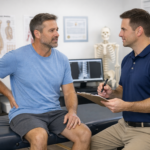
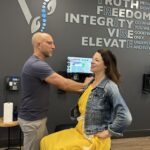
A chiropractor does not diagnose a slipped disc based on one symptom alone. A proper evaluation usually includes your health history, where the pain travels, what movements aggravate it, muscle strength, reflexes, sensation, and orthopedic or neurological testing. Straight leg raise testing is commonly used for low back cases because it can help reproduce nerve-related leg pain.
In many cases, a physical exam and medical history provide the first strong clues. Imaging is not always needed on day one, but MRI or other testing may be considered if symptoms are severe, not improving, or if there are red flags such as worsening weakness or bladder and bowel changes.
At Vital Connection Chiropractic, the goal of chiropractic care is not to guess. It is to determine whether your symptoms fit a slipped disc pattern, whether another condition is more likely, and whether conservative care is appropriate.
 Can you check for a slipped disc at home?
 Can you check for a slipped disc at home?
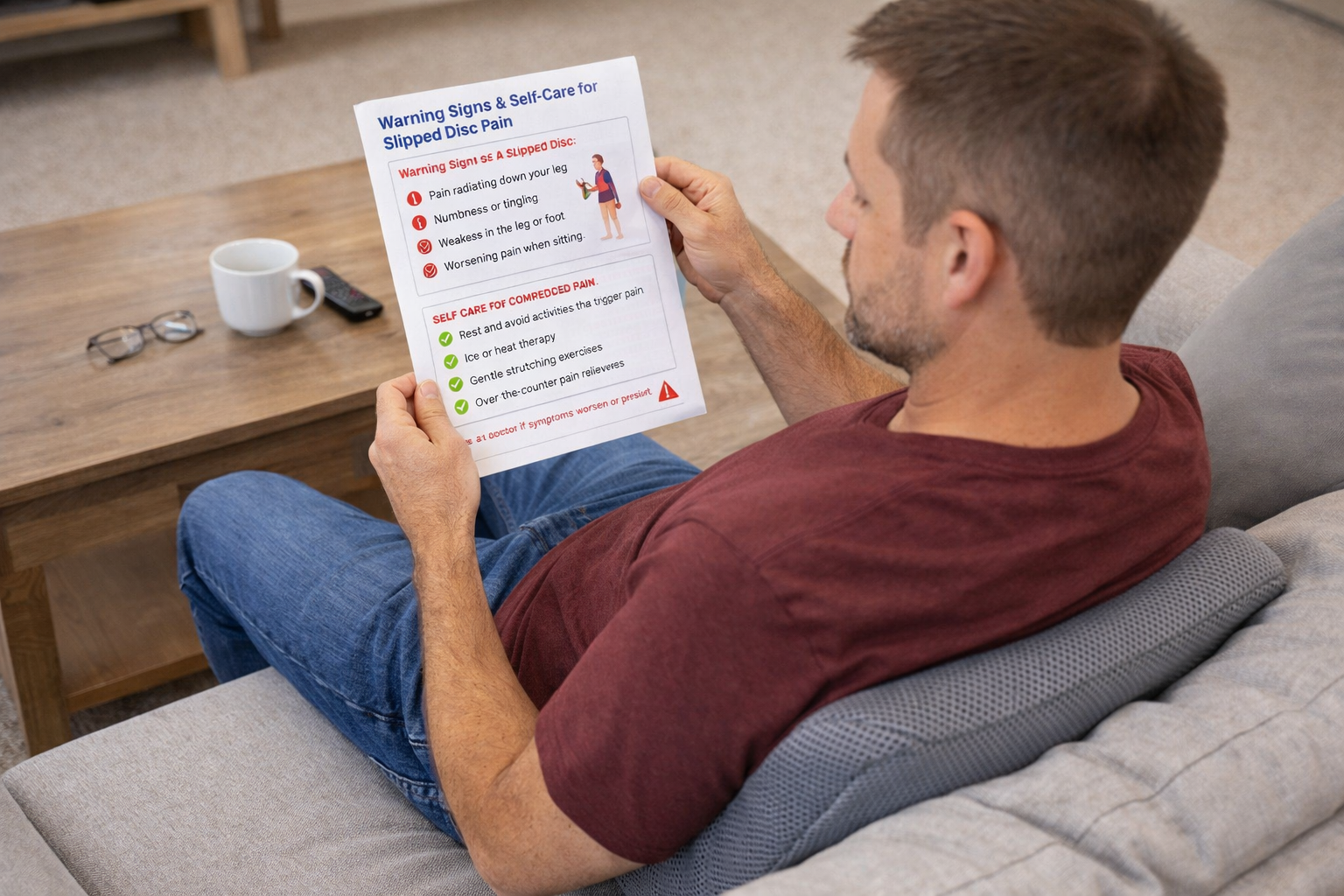
You can notice clues at home, but you cannot confirm a slipped disc with certainty on your own. What you can do is watch for patterns. Does the pain go below the knee? Is one leg tingling? Do you feel weaker on one side? Does sitting, bending, coughing, or getting in and out of the car make it worse? These details help your provider decide what is most likely going on.
What you should avoid is aggressive self-testing, forceful stretching, or repeatedly trying to “pop” your back when you already have nerve symptoms. If the issue is a disc, pushing too hard can aggravate the irritation.
| What you notice at home | What to do next |
|---|---|
| Pain stays in the low back and feels sore or tight | Monitor it, reduce aggravating activity, and consider an evaluation if it lingers |
| Pain shoots into one leg or arm | Schedule a professional exam soon |
| Numbness, tingling, or noticeable weakness | Get checked promptly |
| Symptoms are not improving after a few weeks | Ask about further evaluation |
| Trouble walking, worsening weakness, or severe pain after trauma | Seek urgent medical care |
| Loss of bladder or bowel control, numbness around the groin, or symptoms in both legs | Go to the ER immediately |
Most herniated disc symptoms improve over time with conservative care, but emergency symptoms are different. Saddle numbness, bladder or bowel changes, severe or worsening weakness, and major symptoms after a serious accident need immediate medical attention.
What can be mistaken for a slipped disc?
 What can be mistaken for a slipped disc?
Several problems can feel similar at first. Lower back pain is often caused by muscle or tendon strain, arthritis, structural spine problems, or other nerve-related issues. Sciatica can also come from causes other than a herniated disc, including arthritis and spinal stenosis.
That is why the phrase “I think I slipped a disc” is understandable, but not always accurate. You might be dealing with:
- A muscle or ligament strain
- Arthritis-related irritation
- Spinal stenosis
- Another source of sciatica
- A disc bulge or disc change that shows on imaging but is not actually the pain source
If your main question right now is relief, our blogs on slipped disc pain medication and pain reliever for slipped disc can help you compare symptom-control options while you decide on your next step.
What will the ER do for a herniated disc?
The ER is there to rule out emergencies and stabilize severe symptoms. In a suspected herniated disc case, they may check strength, reflexes, sensation, walking ability, and bladder or bowel red flags. Depending on the situation, they may provide pain control, anti-inflammatory medication, muscle relaxers, or arrange imaging if they are concerned about severe nerve compression or another urgent cause.
Many slipped discs do not need an ER visit. The ER is most appropriate when symptoms suggest a serious neurological problem, trauma, or loss of bladder or bowel control. Otherwise, a timely outpatient evaluation is often the better next move.
When it is time to get checked in Fishers, IN
 When it is time to get checked in Fishers, IN
If your pain travels into the arm or leg, keeps returning, is paired with numbness or tingling, or is starting to affect walking, sleep, work, or exercise, it is a good idea to schedule an evaluation. The earlier the pattern is identified, the sooner you can get a plan that fits the real cause instead of guessing.
This matters for people all over Fishers, IN, especially those who sit for long drives, work at a desk, lift kids, train at the gym, or stay active in weekend sports. Disc symptoms often flare with repeated bending, twisting, heavy lifting, and long periods of sitting.
If you have been searching for a slipped disc chiropractor near me, the best next step is a proper exam that looks at the spine, nerves, movement, and symptom pattern as a whole. When you are ready, you can schedule appointment with Vital Connection Chiropractic in Fishers, IN.
A slipped disc does not always mean surgery, and it does not always mean a long recovery. But it does mean the symptom pattern should be taken seriously, especially if pain is radiating, strength is changing, or the problem keeps coming back. A careful, individualized evaluation helps point you toward the safest next step.
FAQ
How do you check for a slipped disc?
A slipped disc is usually checked through a combination of symptom history, movement testing, reflex testing, strength testing, sensation checks, and nerve tension tests such as a straight leg raise. Imaging like MRI may be added when symptoms are severe, persistent, or medically concerning.
How to check slip disc at home?
At home, you can only watch for clues, not confirm the diagnosis. Common clues include pain that shoots down one arm or leg, numbness, tingling, weakness, and symptoms that worsen with bending, coughing, or sitting. If those patterns are present, a professional exam is the safest next step.
How does a slipped disc feel like?
People often describe it as sharp, burning, shooting, or electric-like pain. In the low back, it may radiate into the buttock, thigh, calf, or foot. In the neck, it may travel into the shoulder, arm, or hand. Numbness, tingling, and weakness can also happen.
What can be mistaken for a slipped disc?
Muscle strain, arthritis, spinal stenosis, structural spine problems, and other causes of sciatica can mimic a slipped disc. Also, some people have disc bulges on imaging without symptoms, which is why exam findings matter just as much as scans.
What will the ER do for a herniated disc?
The ER will usually focus on ruling out emergencies, checking neurological function, controlling pain, and deciding whether urgent imaging or specialist care is needed. Go right away if you have new bladder or bowel problems, numbness around the groin, worsening weakness, or symptoms after a major accident.