

Sports Chiropractor in Fishers, IN: How Chiropractic Care Supports Active Bodies
A sports chiropractor helps athletes and active adults manage musculoskeletal pain, improve movement, recover from certain sports injuries, and reduce stress on joints, muscles, and the spine. For people in Fishers, IN, sports chiropractic care may support recovery from issues like back pain, neck pain, shoulder tightness, hip discomfort, ankle sprains, runner’s knee, and other activity related aches. The goal is not just to “crack the back.” It is to understand how your body moves, identify what may be limiting performance, and create a care plan that supports safer, more comfortable movement.
Whether you play school sports, lift weights, run around Geist Reservoir, train at a local gym, coach youth athletics in Hamilton County, or simply want to stay active without nagging pain, chiropractic care can be part of a practical recovery and prevention plan.
Sports injuries often happen in two main ways. Some are sudden, such as a fall, twist, collision, or awkward landing. Others build slowly from repeated stress, poor movement patterns, muscle imbalance, or training too hard without enough recovery. A sports injury chiropractor looks at both the painful area and the movement patterns connected to it.
At Vital Connection Chiropractic in Fishers, care is focused on helping patients understand what may be contributing to their discomfort, what movements may need to be modified, and what steps may support long term function.
What Does a Sports Chiropractor Do?
A sports chiropractor evaluates and cares for the spine, joints, muscles, ligaments, tendons, and nervous system as they relate to movement and athletic performance. This may include chiropractic adjustments, soft tissue work, mobility support, posture education, and exercise guidance.
A sports chiropractor may help with:
- Sports related neck and back pain
- Shoulder, hip, knee, and ankle discomfort
- Muscle strains and joint sprains
- Overuse injuries from running, lifting, throwing, or repetitive training
- Movement restrictions that affect performance
- Posture problems related to desk work, school, or screen time
- Recovery support after certain injuries
- Injury prevention strategies for active patients
This type of care is often helpful for more than competitive athletes. Many patients searching for a sports chiropractor near me are not professional athletes. They may be parents, weekend runners, high school athletes, golfers, CrossFit participants, recreational soccer players, or active adults who want to move better.
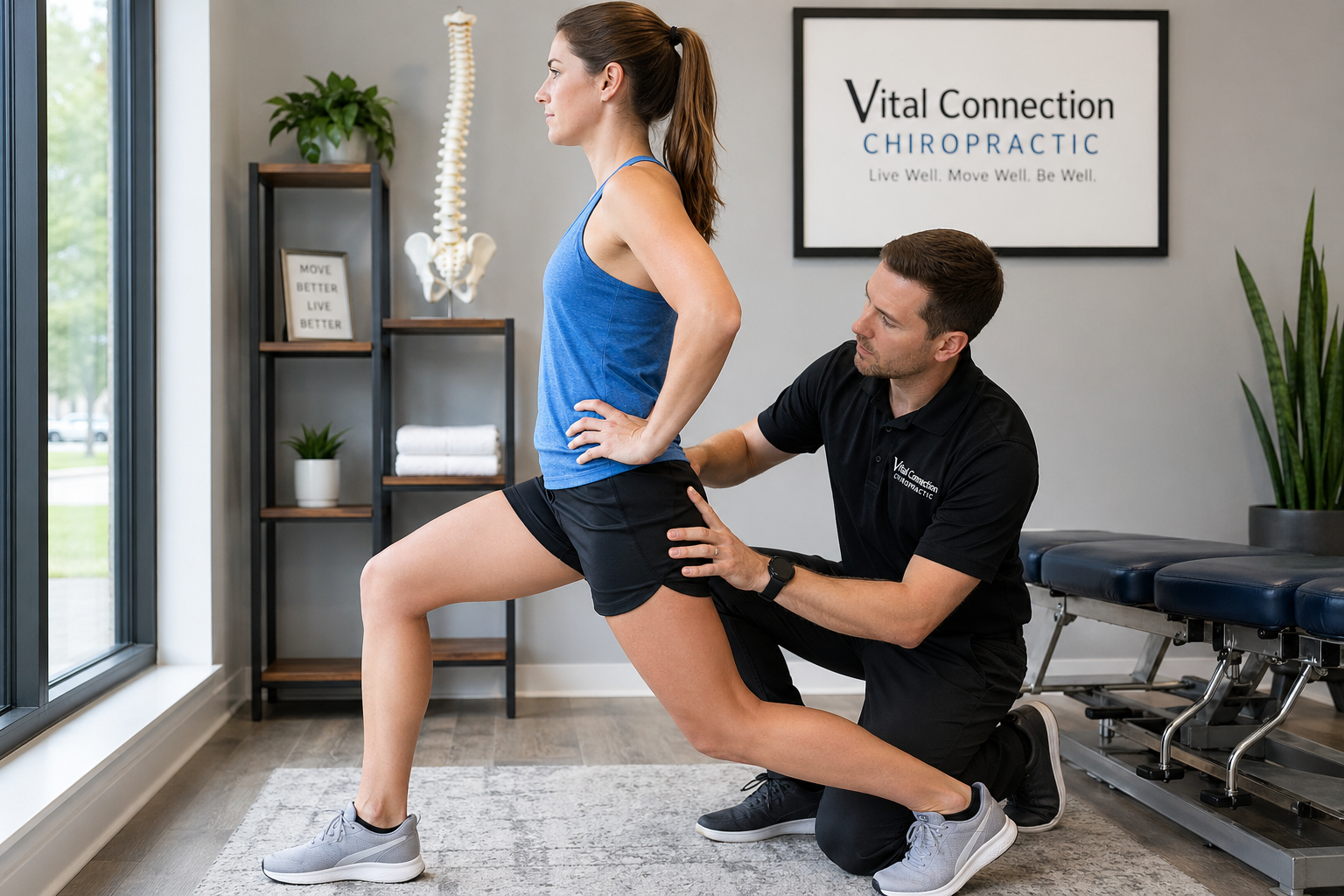 Why Sports Injuries Happen
Sports injuries can happen when the body is asked to absorb more force than it can safely handle at that moment. Sometimes the issue is a single event. Other times, the injury develops because small stresses repeat over time.
Common causes include:
- Sudden impact during contact sports
- Overtraining without enough recovery
- Poor warm up or cool down habits
- Muscle fatigue
- Limited mobility in the hips, spine, shoulders, or ankles
- Weakness in stabilizing muscles
- Poor footwear or training surfaces
- Returning to activity too soon after an injury
- Repetitive motion from running, throwing, lifting, or swinging
For example, knee pain may not always start in the knee itself. It may be connected to hip weakness, ankle mobility, foot mechanics, or how the body absorbs impact. That is why a full movement evaluation matters. If knee discomfort is part of your concern, learning more about knee pain may help you understand possible contributing factors.
Common Sports Injuries a Chiropractor May Help Support
Sports chiropractic care can be useful for many musculoskeletal injuries, especially when pain is related to joints, muscles, posture, movement mechanics, or repetitive stress.
| Sports Injury or Concern | What It May Feel Like | How Chiropractic Care May Support Recovery |
|---|---|---|
| Muscle strain | Tightness, soreness, sharp pain with movement | May support mobility, soft tissue function, and safe return to activity |
| Joint sprain | Swelling, tenderness, instability | May help assess movement patterns and reduce stress on surrounding joints |
| Runner’s knee | Pain around or behind the kneecap | May evaluate hips, ankles, gait, and knee mechanics |
| Low back pain | Stiffness, ache, or pain during bending and lifting | May help improve spinal mobility and reduce mechanical stress |
| Neck pain | Stiffness, headaches, limited turning | May support posture, mobility, and muscle tension reduction |
| Shoulder irritation | Pain with throwing, pressing, or reaching | May assess shoulder, upper back, and neck mechanics |
| Tennis or golfer’s elbow | Pain near the elbow with gripping or swinging | May use soft tissue and movement strategies to reduce repetitive strain |
| Ankle sprain history | Weakness, stiffness, repeated rolling | May support joint mobility, balance, and movement control |
This table is not a diagnosis. Pain can come from many causes, and some injuries need medical imaging, orthopedic evaluation, or emergency care. A proper evaluation helps determine the safest next step.
How Sports Chiropractic Care May Help Athletes and Active Adults
Sports chiropractic care focuses on function. Instead of only asking, “Where does it hurt?” the chiropractor may also ask, “What movement causes it?” and “What is your body doing before the pain starts?”
1. Supporting Better Joint Mobility
When joints are stiff or restricted, surrounding muscles often work harder to compensate. This can lead to irritation, fatigue, and altered mechanics.
Chiropractic adjustments may help improve joint mobility when appropriate. For an athlete, even small limitations in the spine, hips, shoulders, or ankles can affect how the body runs, jumps, lifts, throws, or rotates.
2. Reducing Mechanical Stress
Pain does not always mean the painful area is the only problem. A runner with knee pain may also have tight hips. A golfer with low back pain may have limited thoracic rotation. A weightlifter with shoulder pain may have neck or upper back restrictions.
A sports injury chiropractor may help identify these patterns and guide care that reduces unnecessary stress on the body.
3. Supporting Soft Tissue Function
Sports often place repeated demands on muscles, tendons, and ligaments. Soft tissue techniques may help address tightness, tenderness, and movement restriction. This may be combined with stretching, mobility drills, and home care guidance.
4. Helping With Return to Activity
Many active patients want to know when they can get back to training. The answer depends on the injury, pain level, strength, mobility, and whether symptoms are improving.
A chiropractor can help you understand which movements may be safe, which ones may need modification, and when to seek additional medical evaluation.
5. Improving Body Awareness
Good sports performance depends on control. Athletes need to know how their body is moving under fatigue, speed, and load. Chiropractic care may include posture advice, movement coaching, and practical strategies to improve awareness during daily activities and training.
 What to Expect During a Sports Chiropractic Visit
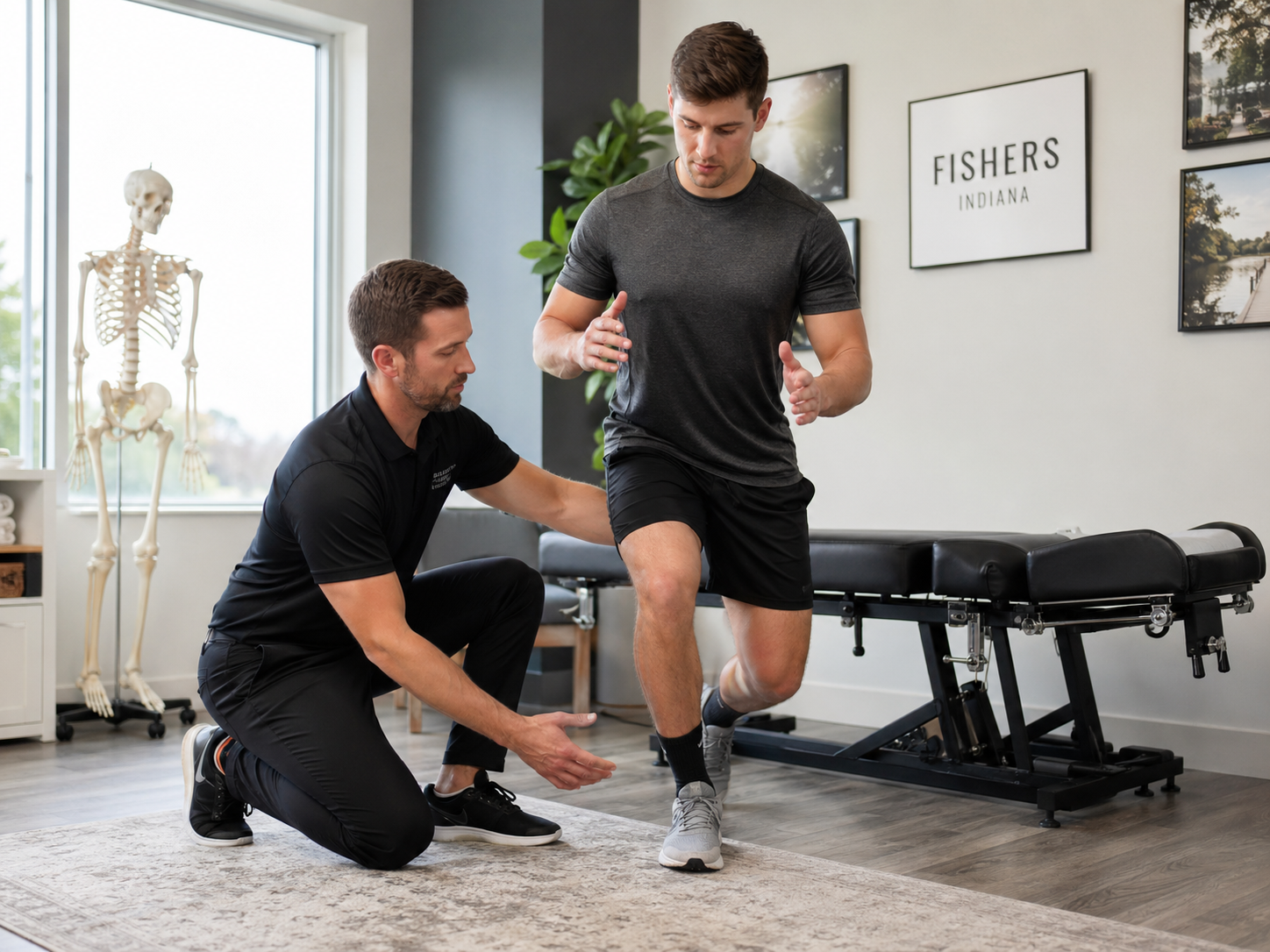 What to Expect During a Sports Chiropractic Visit
A sports chiropractic visit usually starts with a conversation about your symptoms, activity level, training habits, and goals. For example, the needs of a high school basketball player may be different from a golfer, runner, or adult who developed pain during strength training.
Your visit may include:
- Health history review
- Injury history review
- Posture and movement evaluation
- Range of motion testing
- Muscle strength or flexibility checks
- Joint and spine assessment
- Discussion of red flags or referral needs
- Personalized care recommendations
If chiropractic care is appropriate, your plan may include adjustments, soft tissue support, movement education, and home care steps. If your symptoms suggest something outside the scope of chiropractic care, referral to a physician, neurologist, orthopedist, or other provider may be recommended.
Sports Chiropractor Near Me: Why Local Care Matters in Fishers, IN
When you search for a sports chiropractor near me, location matters because sports injury care often works best when it is consistent and practical. Patients in Fishers, Noblesville, Carmel, Geist, McCordsville, Castleton, and Hamilton County may need care that fits into school schedules, work routines, training plans, and family life.
Local care can also make follow up easier. If your symptoms change, if your training load increases, or if you need help adjusting your recovery plan, being close to the office can make it easier to stay consistent.
For patients in Fishers, Vital Connection Chiropractic offers care close to home for active adults and families who want a clear, patient friendly approach. You can schedule appointment online when you are ready to take the next step.
Sports Chiropractic for Knee Pain, Running, and Lower Body Injuries
Knee pain is one of the most common concerns for active people. Runners, basketball players, soccer players, lifters, and weekend athletes may all experience knee discomfort from impact, twisting, jumping, or repetitive motion.
A chiropractor may look beyond the knee to evaluate:
- Hip strength and mobility
- Ankle motion
- Foot mechanics
- Pelvic alignment and control
- Running or squat mechanics
- Tightness in the quads, hamstrings, calves, or IT band area
- Training habits and recovery patterns
This matters because knee pain can be influenced by how the entire lower body works together. If the hips are not controlling motion well, the knee may absorb more stress. If the ankle is stiff, the knee may compensate. If the spine and pelvis are not moving well, lower body mechanics may be affected.
Patients with ongoing or recurring symptoms can learn more about knee pain symptoms and when it may be time to seek care.
When Should You See a Sports Injury Chiropractor?
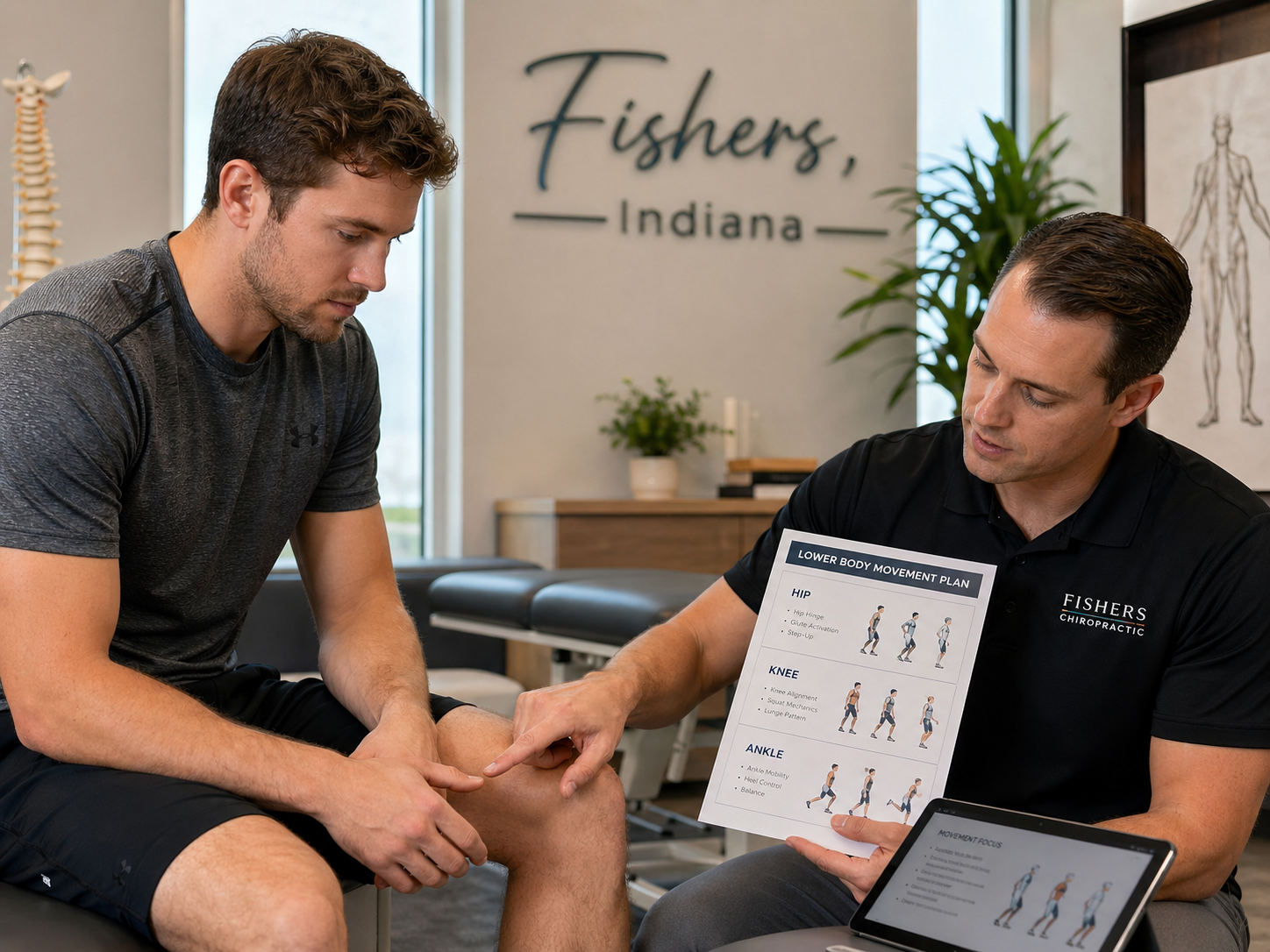 When Should You See a Sports Injury Chiropractor?
You do not have to wait until pain becomes severe before getting evaluated. Early care may help identify movement problems before they become more limiting.
| Situation | What It May Mean | Recommended Next Step |
|---|---|---|
| Pain lasts more than a few days | The area may need evaluation instead of pushing through | Schedule a chiropractic or medical assessment |
| Pain returns every time you train | There may be a movement pattern or overload issue | Review training, mobility, and mechanics |
| Swelling, bruising, or instability appears | Could involve sprain, tear, or more serious injury | Seek medical evaluation promptly |
| Numbness, tingling, or weakness occurs | Nerve involvement may be possible | Get evaluated quickly |
| Pain affects walking, lifting, sleeping, or work | The injury may be interfering with daily function | Consider professional care |
| You are recovering but unsure what is safe | Returning too quickly may aggravate symptoms | Ask for a guided return to activity plan |
A sports chiropractor may be a good starting point for many activity related aches and pains. However, severe pain, deformity, loss of function, chest pain, trouble breathing, sudden neurological symptoms, or signs of fracture require urgent medical care.
The Difference Between Pain Relief and Performance Support
Some people visit a chiropractor because they are already in pain. Others come in because they want their body to handle training better.
Sports chiropractic care may support both goals, but they are not exactly the same.
Pain relief focuses on reducing discomfort and improving basic function. Performance support focuses on movement quality, joint mobility, posture, recovery, and reducing avoidable stress over time.
For example, a patient may first come in with low back pain after lifting. Once symptoms improve, the focus may shift to hip mobility, core control, lifting mechanics, and recovery habits. This can help the patient return to activity with more confidence.
The goal is not to promise injury prevention. No provider can guarantee that. The goal is to help your body move as well as possible and give you practical tools to reduce unnecessary strain.
What Makes a Sports Chiropractor Different From a General Chiropractor?
A general chiropractor and a sports chiropractor both focus on the musculoskeletal and nervous systems. The difference is often in emphasis.
A sports chiropractor typically spends more time looking at athletic movement, training demands, repetitive stress, recovery needs, and return to activity. They may focus more on how the spine, joints, and soft tissues work together during sport specific movement.
For example:
- A runner may need gait and hip control discussion.
- A golfer may need spinal rotation and shoulder mobility support.
- A weightlifter may need squat, hinge, and overhead movement assessment.
- A youth athlete may need posture, flexibility, and recovery education.
- A weekend athlete may need a realistic plan that fits work and family life.
Both types of chiropractors may provide helpful care. The key is choosing a provider who understands your goals and evaluates more than just the painful area.
Sports Injury Chiropractic and Whole Body Recovery
Recovery is not only about the injured tissue. Sleep, hydration, stress, nutrition, training volume, and daily posture can all influence how your body feels.
A chiropractor may discuss:
- How much you are training
- Whether pain increases during or after activity
- How well you recover between sessions
- Workstation or school posture
- Warm up and cool down habits
- Sleep position and pillow support
- Mobility and strengthening routines
These small details can matter. A patient may receive care in the office, but then sit for eight hours with poor posture, train too aggressively, or skip recovery. A helpful plan considers the whole routine, not just the appointment.
Image Suggestion: Chiropractor reviewing a recovery plan with an active adult patient in Fishers, Indiana, including training, posture, and mobility guidance
Suggested File Name: sports-chiropractic-recovery-plan-fishers-in.jpg
ALT Text: Sports chiropractic recovery plan in Fishers IN for active adult patient
Can a Sports Chiropractor Help Prevent Future Injuries?
Chiropractic care may support injury risk reduction by improving mobility, identifying movement restrictions, and helping patients build better habits. However, no treatment can prevent every injury.
A prevention focused plan may include:
- Regular mobility checks
- Posture and movement education
- Sport specific warm up guidance
- Strength and stability exercises
- Training modification during flare ups
- Recovery strategies
- Early evaluation when pain first appears
For active patients, the best approach is often proactive. If pain keeps returning, something in the movement chain, training plan, or recovery routine may need attention.
When Chiropractic Care Is Not the Right First Step
Chiropractic care can be helpful for many musculoskeletal concerns, but it is not the right first step for every condition.
You should seek medical care urgently if you have:
- Sudden severe weakness
- Loss of bowel or bladder control
- Chest pain or trouble breathing
- Severe head injury symptoms
- Suspected fracture or dislocation
- Significant swelling after trauma
- Progressive numbness or tingling
- Severe pain after a fall or collision
For complex neurological symptoms, a neurologist or emergency medical provider may be more appropriate. Responsible chiropractic care includes knowing when to refer.
Choosing a Sports Chiropractor in Fishers, IN
When choosing a sports chiropractor, look for someone who listens to your goals and explains care clearly. You should feel comfortable asking questions about your injury, your activity level, and your return to exercise.
Good questions to ask include:
- What do you think may be contributing to my symptoms?
- What movements should I avoid temporarily?
- What can I keep doing safely?
- How will we measure progress?
- When should I seek medical imaging or another provider?
- What can I do at home to support recovery?
A good care plan should feel practical, not confusing. It should also be individualized. Two patients with similar pain may need different recommendations depending on age, health history, sport, training volume, and exam findings.
If you have questions about whether chiropractic care may be appropriate for your sports related pain, you can contact us to connect with the office.
A Practical Recovery Mindset for Athletes
Athletes often want to push through pain, but pain is information. It does not always mean something serious is happening, but it should not be ignored when it is persistent, worsening, or changing how you move.
A practical recovery mindset includes:
- Do not panic after every ache.
- Do not ignore pain that keeps returning.
- Modify activity before symptoms become severe.
- Focus on quality of movement, not just intensity.
- Build recovery into your training plan.
- Get evaluated when pain affects daily life or performance.
This approach is especially important for youth athletes in Fishers and Hamilton County. Young athletes often play multiple sports, train year round, and spend long hours sitting at school. Their bodies need recovery, mobility, and guidance, not just more practice.
Schedule a Sports Chiropractic Visit in Fishers, IN
If you are dealing with sports related pain, recurring tightness, reduced mobility, or an injury that is affecting your routine, Vital Connection Chiropractic can help you take the next step. A sports chiropractor can evaluate how your body is moving, discuss your goals, and recommend care that fits your needs.
Whether you are recovering from a recent injury or trying to stay active with fewer setbacks, individualized care matters. You can schedule your visit with Vital Connection Chiropractic in Fishers, IN, or reach the office with questions before getting started.
FAQ
What is the difference between a chiropractor and a sports chiropractor?
A chiropractor focuses on the spine, joints, nervous system, and musculoskeletal function. A sports chiropractor uses that same foundation but often places more emphasis on athletic movement, injury recovery, performance demands, training habits, and return to activity. Sports chiropractors may work with athletes, weekend warriors, active adults, and patients with exercise related pain.
Can a chiropractor help with cortisol levels?
Chiropractic care should not be viewed as a direct treatment for cortisol levels or hormone disorders. However, some patients find that care focused on pain reduction, improved mobility, relaxation, and better sleep habits may support overall stress management. If you are concerned about cortisol, hormone imbalance, sleep disruption, or adrenal related symptoms, it is best to speak with a medical provider for proper testing and guidance.
Can chiropractic help varicose veins?
Chiropractic care does not treat or remove varicose veins. Varicose veins are usually related to vein function and circulation, so they should be evaluated by a medical provider, especially if there is swelling, skin discoloration, warmth, ulcers, or pain. Chiropractic care may help with some musculoskeletal discomfort in the legs or low back, but it is not a treatment for the vein condition itself.
Can chiropractic help ALS?
Chiropractic care cannot treat, cure, or slow ALS. ALS is a serious neurological disease that requires medical evaluation and management by a neurologist and specialized healthcare team. A chiropractor may help with general musculoskeletal comfort for some patients only as part of coordinated care, but chiropractic care should never replace neurological evaluation or ALS treatment planning.
What are three warning signs of ALS?
Three warning signs that may be associated with ALS include progressive muscle weakness, muscle twitching or cramping, and difficulty speaking, swallowing, or breathing. These symptoms can also be related to other conditions, so they do not automatically mean someone has ALS. If these signs are present, especially if they are getting worse over time, a medical evaluation with a physician or neurologist is important.
What do neurologists think of chiropractors?
Neurologists may have different opinions about chiropractic care depending on the patient’s condition, the type of treatment being considered, and the provider’s approach. Many medical specialists support collaborative care when chiropractic treatment is appropriate for musculoskeletal pain and when red flags are properly referred. Concerns usually arise when serious neurological symptoms are treated without proper medical evaluation. A responsible chiropractor should refer patients to a neurologist or medical provider when symptoms suggest a neurological condition.
Related Posts:
 Scoliosis Treatment: When to Get Checked (Signs, Screening, Next Steps)
 How to Cure TMJ Permanently in Fishers, IN: What Actually Helps Long Term
 How Do You Treat TMJ Dysfunction in Fishers, IN? Conservative Relief Options That May Help
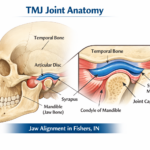 How to Fix TMJ Pain in Fishers, IN | Natural TMJ Relief Options