What Is MLS Laser Therapy: How It Works, What It Treats, and What to Expect
MLS laser therapy is a non-invasive, FDA-cleared treatment that uses dual synchronized laser wavelengths to reduce pain, decrease inflammation, and accelerate tissue healing. It is commonly used in chiropractic and medical settings to address musculoskeletal conditions without surgery or medication.
Key Takeaways
- MLS laser therapy uses two synchronized wavelengths (808 nm and 905 nm) to target both pain and inflammation simultaneously.
- Most patients complete a full course of treatment in 6 to 10 sessions, each lasting approximately 10 to 15 minutes.
- The therapy is FDA-cleared and considered safe, with minimal to no known side effects for most patients.
- Conditions treated include neuropathy, arthritis, tendonitis, sports injuries, post-surgical recovery, and chronic back pain.
- Treatment cost per session typically ranges from $50 to $150, depending on the provider and the area being treated.
- Results can last for months to years, particularly when combined with chiropractic care or physical rehabilitation.
The Science Behind MLS Laser Therapy
MLS stands for Multiwave Locked System. The technology was developed by the Italian company ASA Laser and has been used clinically in the United States for well over a decade. The system operates using two specific laser wavelengths: a continuous 808-nanometer wavelength and a pulsed 905-nanometer wavelength. These two wavelengths work together in a synchronized, controlled manner to produce therapeutic effects that neither wavelength can achieve independently.
The 808 nm wavelength penetrates deep into tissue and has a strong anti-inflammatory effect. It works by stimulating cellular metabolism and reducing the production of prostaglandins, which are compounds involved in the inflammatory response. The 905 nm wavelength, delivered in pulses, produces an analgesic effect by blocking the transmission of pain signals through nerve fibers. The combination of these two actions is what makes MLS distinctly different from traditional single-wavelength cold laser or low-level laser therapy (LLLT).
At the cellular level, both wavelengths stimulate a process called photobiomodulation. This is the mechanism by which light energy is absorbed by chromophores within the mitochondria of cells, triggering a cascade of biological responses. According to research published by the National Institutes of Health (NIH), photobiomodulation has demonstrated measurable effects on adenosine triphosphate (ATP) production, oxidative stress reduction, and cellular regeneration, all of which support faster recovery and reduced pain.
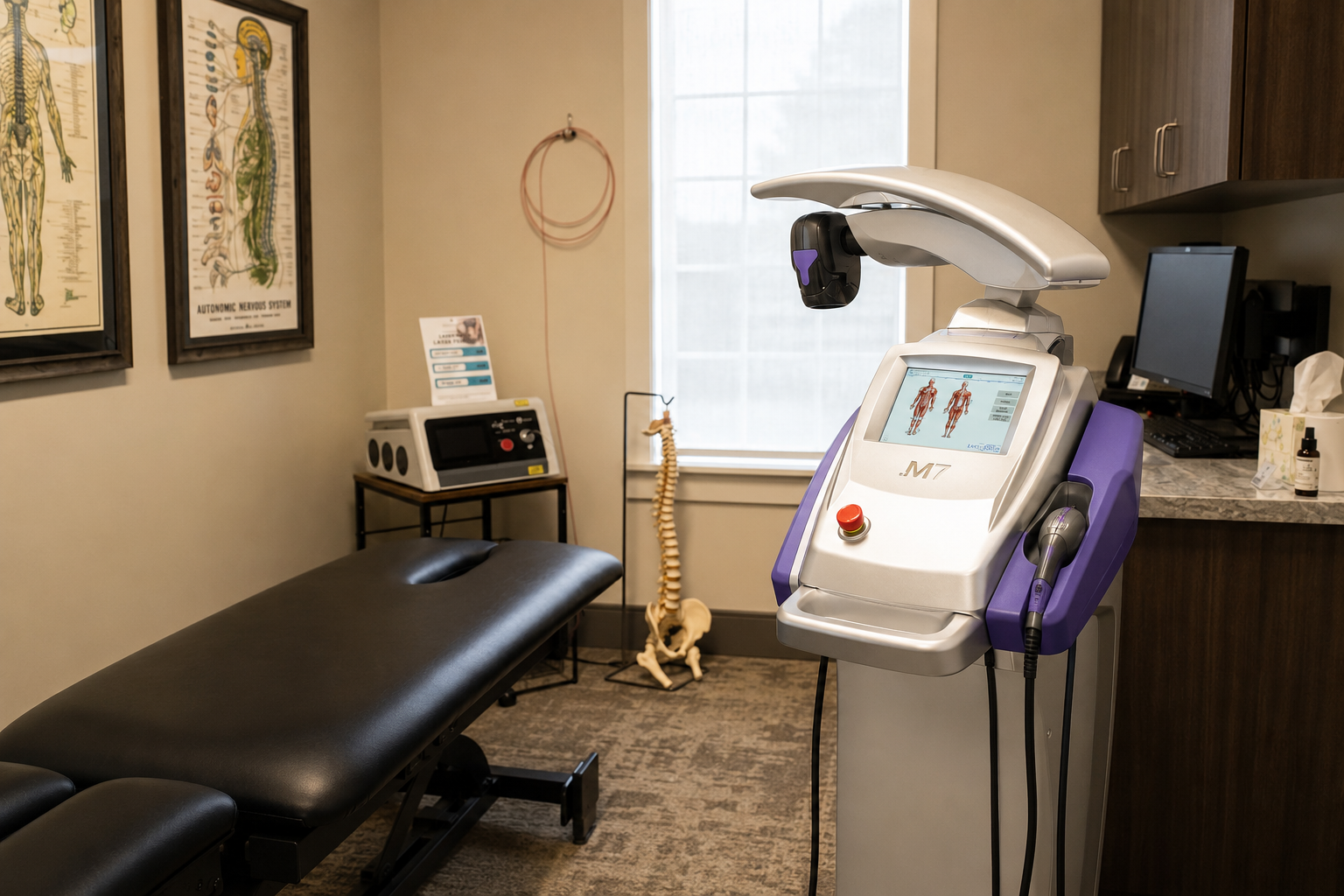 Conditions MLS Laser Therapy Is Used to Treat
One of the reasons this technology has gained significant traction in chiropractic and sports medicine settings is its broad applicability. It is not a treatment reserved for one specific condition. Providers use it across a wide range of musculoskeletal and neurological complaints, making it a versatile tool in conservative pain management.
Common conditions treated include:
- Plantar fasciitis and heel pain
- Arthritis (osteoarthritis and rheumatoid arthritis)
- Tendonitis and tendinopathy
- Peripheral neuropathy
- Back and neck pain
- Sciatica
- Rotator cuff injuries
- Post-surgical recovery and wound healing
- Sports injuries such as sprains and muscle tears
- Temporomandibular joint (TMJ) disorders
For patients dealing with chronic conditions like peripheral neuropathy or degenerative joint disease, MLS laser therapy offers an opportunity to reduce dependence on pain medications, including opioids. This is particularly relevant given the ongoing opioid crisis in the United States, where non-pharmacological treatment options are strongly encouraged by organizations like the Centers for Disease Control and Prevention (CDC).
If you are located in the Fishers, Indiana area and are considering this treatment, you can review detailed service information about mls laser therapy fishers in at Vital Connection Chiropractic, located at 12242 E 116th St, Suite 100, Fishers, IN 46037.
What Happens During a Treatment Session
Understanding the treatment process helps set realistic expectations. MLS laser therapy sessions are straightforward, painless, and require no preparation or recovery time.
Here is a typical session breakdown:
- Assessment: The provider identifies the target area and confirms there are no contraindications (such as pregnancy or cancer in the treatment area).
- Positioning: You lie or sit comfortably with the treatment area exposed.
- Application: The MLS laser handpiece is moved across the skin in a grid or sweeping pattern over the affected area. You may feel a mild warming sensation, but there is no pain.
- Duration: Each session lasts approximately 10 to 15 minutes per area treated.
- Post-treatment: No downtime. Most patients return to normal activities immediately.
Most treatment protocols involve 6 to 10 sessions scheduled over two to three weeks. The frequency and total number of sessions depend on the acuity and chronicity of the condition. Acute injuries often respond faster, sometimes showing notable improvement within the first two to three sessions. Chronic conditions may require a full course before measurable improvement is observed.
 MLS Laser Therapy vs. Other Laser and Light Therapies
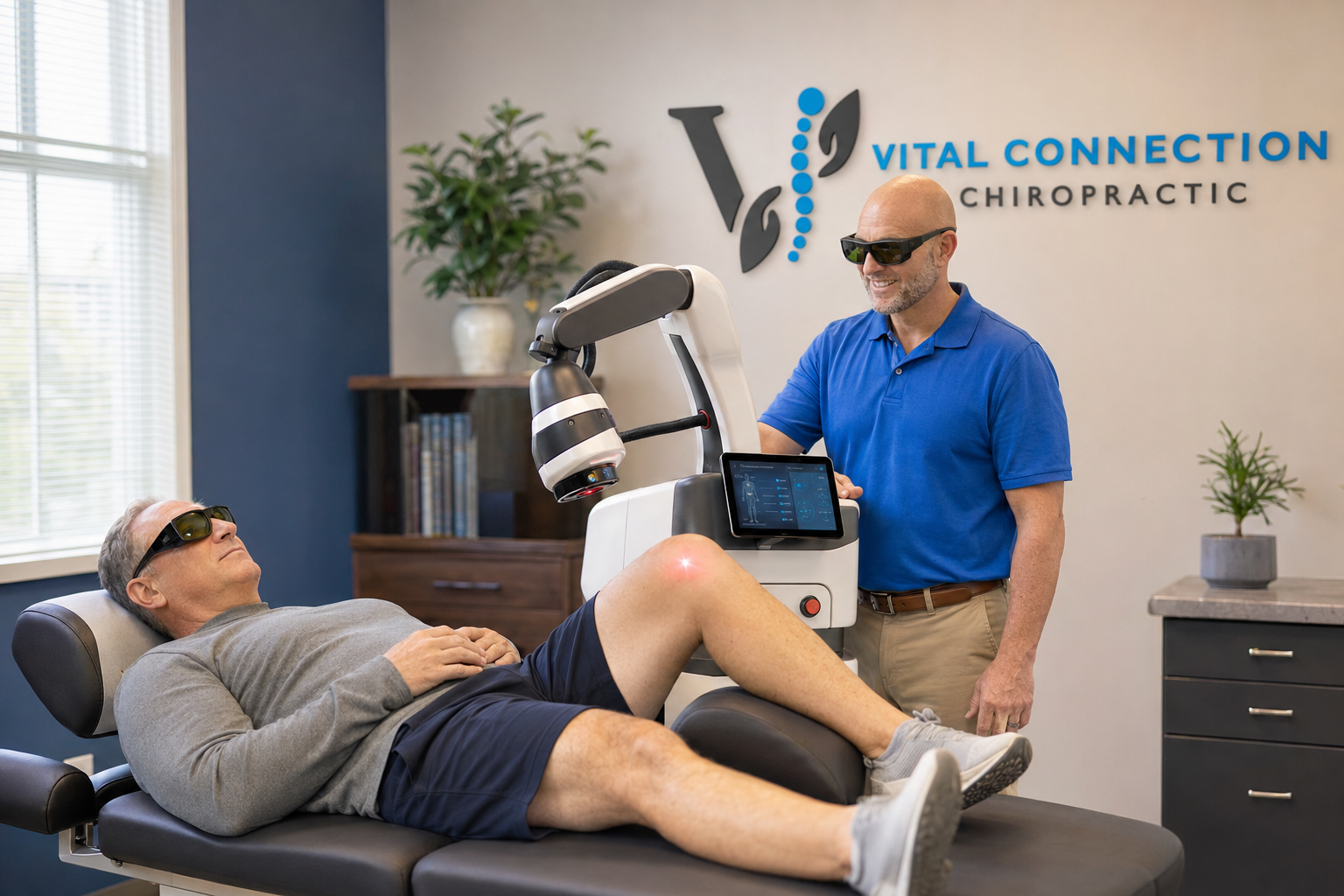 MLS Laser Therapy vs. Other Laser and Light Therapies
The market for laser and light-based therapies has grown considerably. Understanding how MLS compares to alternatives helps you make a more informed decision.
| Feature | MLS Laser Therapy | Cold Laser (LLLT) | Red Light Therapy |
|---|---|---|---|
| Wavelengths Used | 808 nm + 905 nm (dual, synchronized) | Single wavelength | Typically 630-700 nm |
| Tissue Penetration Depth | Deep (up to 5 cm) | Shallow to moderate | Superficial |
| FDA Cleared | Yes | Yes (varies by device) | Yes (for some devices) |
| Anti-inflammatory Effect | Strong | Moderate | Mild |
| Analgesic Effect | Strong | Moderate | Minimal |
| Typical Session Length | 10-15 minutes | 10-20 minutes | 10-30 minutes |
| Clinical Setting Required | Yes | Yes or home use | Often home use |
| Cost Per Session | $50-$150 | $30-$100 | Low (home devices $100-$500 one-time) |
The core advantage of what is mls laser therapy over competing modalities is the synchronized dual-wavelength system. The synchronization is patented, meaning the simultaneous delivery of both anti-inflammatory and analgesic wavelengths cannot be replicated by other devices. Single-wavelength devices must prioritize one effect over the other, whereas MLS achieves both concurrently.
Cost, Insurance, and Access in the United States
The cost of MLS laser therapy per session typically falls between $50 and $150, though this varies by region, provider, and the specific condition being treated. A full 10-session course could range from $500 to $1,500 out of pocket. Some providers bundle sessions into packages at a discounted rate.
Insurance coverage remains inconsistent. Most private insurance plans in the United States do not yet cover MLS laser therapy, classifying it as an elective or experimental treatment. Medicare and Medicaid coverage is similarly limited. This means most patients pay out of pocket. It is worth verifying directly with both your insurance provider and your treating clinic before beginning a course of treatment.
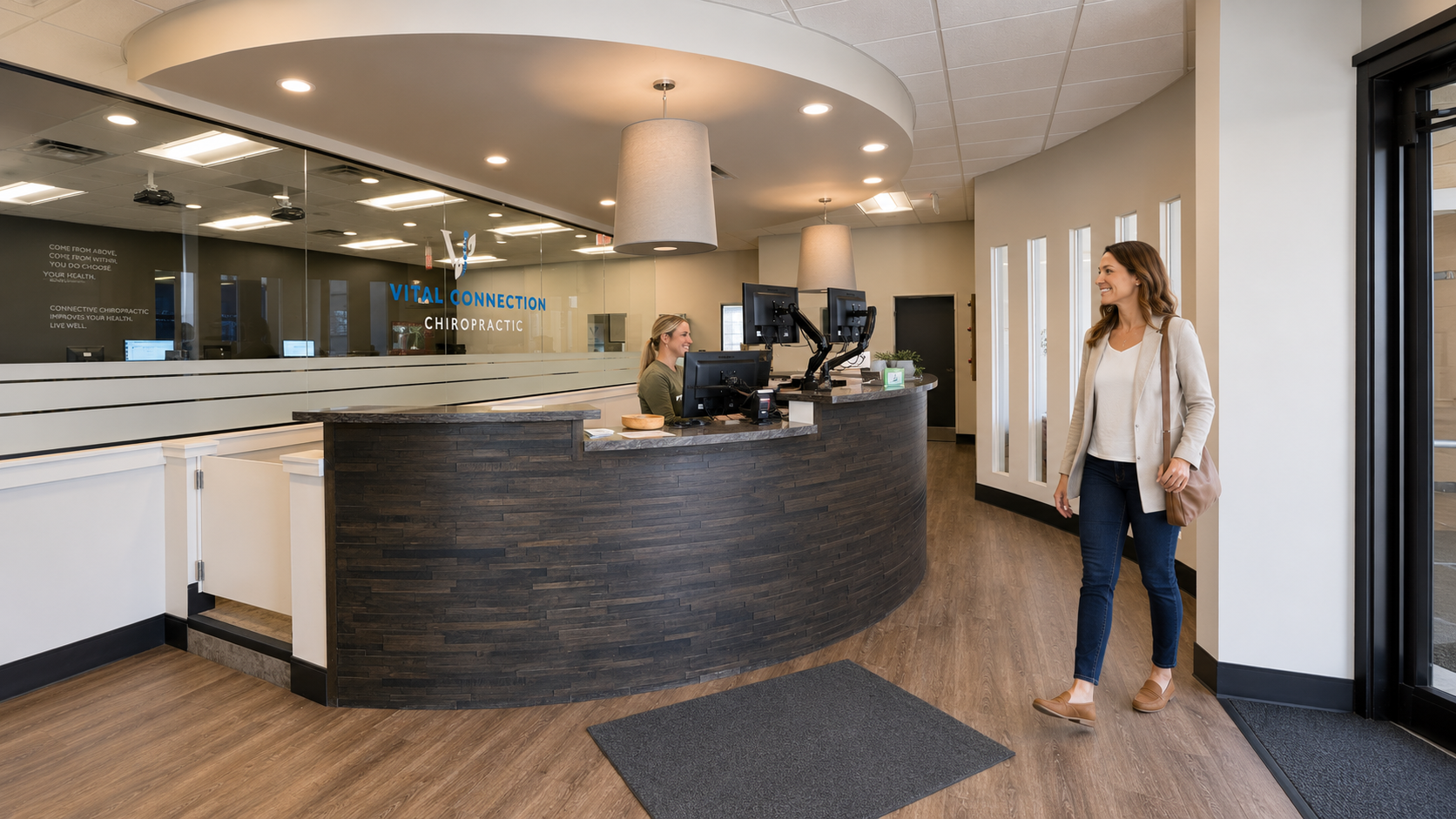
Vital Connection Chiropractic in Fishers, Indiana offers MLS laser therapy as part of its integrated chiropractic care services. You can reach their office at +1 317-773-7820, or you can contact us directly through their website to ask about current pricing, package options, and insurance verification.
According to research reviewed by the Mayo Clinic, photobiomodulation therapies including MLS continue to expand in clinical use as evidence supporting their efficacy accumulates. This growing body of evidence may eventually influence insurance coverage decisions.
 Things to Know
 Things to Know
- MLS laser therapy is contraindicated over cancerous lesions, the thyroid gland, pregnant uteruses, and directly over the eyes. Always disclose your full medical history before beginning treatment.
- Not all laser devices marketed as “MLS” are genuine. The authentic MLS system is manufactured by Cutting Edge Laser Technologies (CELT) and uses the patented ASA Laser synchronization technology.
- Some patients experience a temporary increase in discomfort in the first one or two sessions, particularly with chronic inflammation. This is a normal part of the healing response and typically resolves quickly.
- The effectiveness of MLS laser therapy can be enhanced when used in combination with chiropractic adjustments, physical therapy, or targeted rehabilitation exercises.
- Athletes in the United States, from weekend warriors to professional competitors, have increasingly used MLS therapy for faster return-to-sport timelines after soft tissue injuries.
- If you are ready to explore whether this treatment is right for you, you can schedule appointment online with Vital Connection Chiropractic for an initial consultation.
Frequently Asked Questions
Does MLS laser therapy really work?
Yes, MLS laser therapy has demonstrated clinically measurable results for pain reduction and tissue healing in multiple peer-reviewed studies.
Multiple clinical trials and systematic reviews support its efficacy for conditions including plantar fasciitis, neuropathy, and arthritis. Patients commonly report significant pain reduction within the first few sessions, with continued improvement over the full course of treatment.
How long does MLS laser therapy last?
The therapeutic effects of MLS laser therapy can last from several months to several years, depending on the condition treated and the patient’s overall health.
For acute injuries, the results often persist long-term once healing is complete. For chronic or degenerative conditions, periodic maintenance sessions may help sustain the benefits over time.
How much does an MLS laser cost?
A professional-grade MLS laser system costs between $20,000 and $45,000 for the clinical device itself, which is why treatment is delivered in a clinical setting rather than at home.
Per-session costs passed on to patients typically range from $50 to $150. Full treatment courses often cost between $500 and $1,500, depending on the provider and the complexity of the case.
What are the side effects of MLS laser therapy?
MLS laser therapy has a very favorable safety profile, and most patients experience no significant side effects.
In a small percentage of cases, patients may notice mild temporary soreness or a sensation of warmth in the treated area after the first session. These effects are short-lived and generally resolve within 24 hours. Serious adverse events are extremely rare when the therapy is administered by a trained clinician.
What are two drawbacks of laser therapy?
The two most significant drawbacks of laser therapy are the out-of-pocket cost and the fact that multiple sessions are typically required before results become noticeable.
Because most insurance plans do not cover MLS laser therapy, the cumulative cost of a full treatment protocol can be a barrier for some patients. Additionally, patients who expect immediate results after a single session may be disappointed, as the biological processes stimulated by photobiomodulation require time to produce measurable outcomes.